Why Bali Is the Ultimate Destination for Multi-Generational Travel in 2026
Family holidays are evolving.
Lani te Hennepe
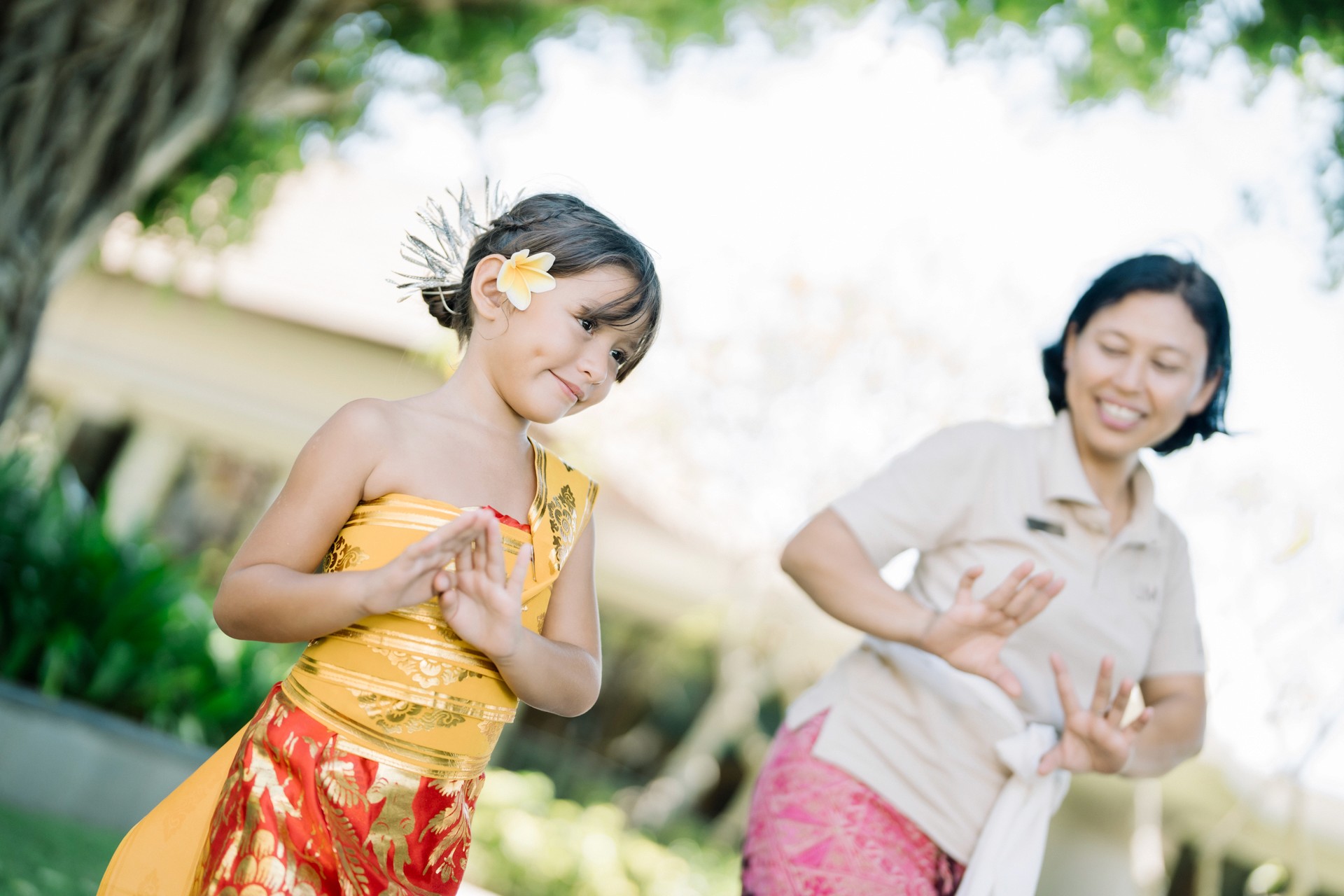
It’s no longer just parents and young kids boarding a flight to Bali; it’s grandparents, teens, toddlers and sometimes even “skip-gen” trips with grandparents and grandchildren travelling together.
According to Hilton’s 2026 Trends Report, six in ten travellers across the region have recently taken or are planning a multi-generational trip. The motivation isn’t just relaxation. It’s what Hilton calls memory equity: shared experiences that connect different generations around the same table.
Few destinations deliver that balance quite like Bali.
Why Bali Works So Well for Multi-Gen Families
Bali’s enduring appeal lies in its flexibility. The island offers space, privacy, culture and accessibility, all within short driving distances. For Australian families in particular, the ease of flights, villa living and familiar infrastructure makes it one of the most practical destinations for travelling with grandparents and young children at the same time.
Unlike fast-paced city breaks, Bali allows families to move at their own rhythm. Mornings can begin slowly with breakfast overlooking rice paddies or the ocean. Afternoons can split naturally, toddlers nap, teens head to the pool, grandparents enjoy a spa treatment, before everyone regathers for sunset.
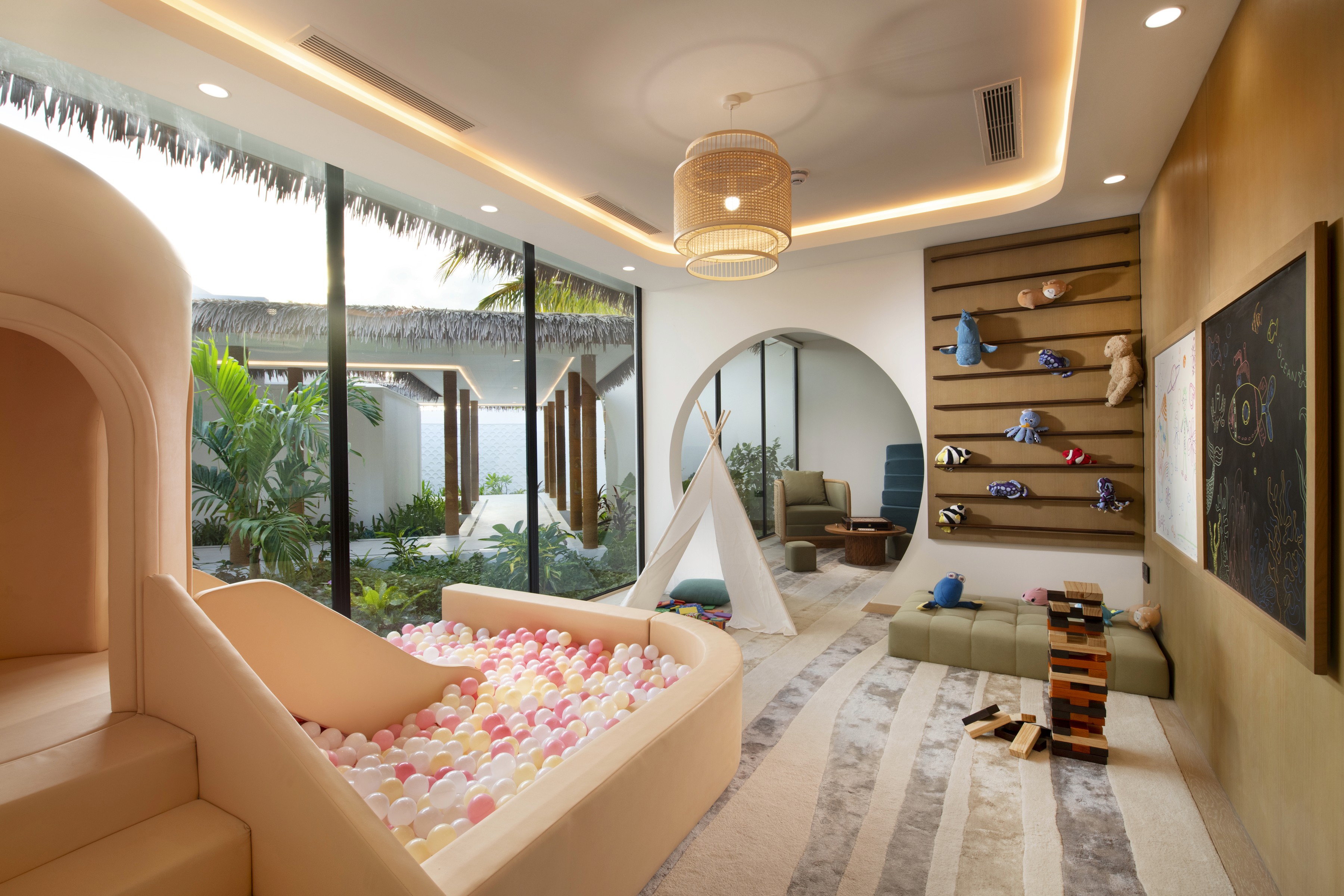
The island’s layered experiences are what make it special across age groups: cultural rituals and temple visits for older generations; surf lessons and beach clubs for teens; kids’ clubs and creative workshops for younger children; and wellness, dining, and nature for everyone in between.
It’s rare to find a destination that satisfies everyone without feeling forced. Bali does it organically.
Space Matters: Villas and Interconnecting Rooms
One of the biggest challenges in multi-generational travel is accommodation. Bali solves this easily.
Private villas remain a favourite for large families wanting shared living areas and private bedrooms. But international hotel brands have also adapted to this demand.
Hilton’s Bali portfolio is one example. At Umana Bali, LXR Hotels & Resorts, all-villa accommodation provides private pools and generous communal spaces rooted in the Balinese philosophy of Tri Hita Karana, harmony between people, nature and spirituality. Children can take part in cultural activities like Gebogan-making and traditional dance at the kids’ club, while grandparents retreat to spa experiences, before the family reunites for sunset rituals or temple visits.

Meanwhile, larger beachfront resorts such as Hilton Bali Resort in Nusa Dua offer connecting rooms, expansive pools and structured kids’ programs, ideal for families who want facilities on hand without sacrificing comfort.
It’s this balance of privacy and shared space that makes Bali particularly suited to multi-gen stays.
A Gentler Pace for 2026 Travel
Hilton’s research shows that 61 per cent of travellers in 2026 are prioritising experiences with universal appeal and a gentler pace. Bali naturally aligns with that shift.
Here, the itinerary doesn’t need to fragment. A day can revolve around one meaningful experience: a beach morning, a cooking class, a rice field walk, rather than a packed schedule.
For Australian families navigating different energy levels and mobility needs, that flexibility matters.
The Future of Family Travel Is Collective
Multi-generational travel isn’t a trend; it’s a reset in how families value time together. Bali, with its villa culture, spiritual depth, natural beauty and strong hospitality infrastructure, continues to meet that demand intuitively.
Whether it’s three generations sharing a private pool in Uluwatu, gathering for sunset in Nusa Dua, or exploring Ubud’s cultural heart, Bali remains one of the few destinations where everyone genuinely finds their place.
And in 2026, that kind of shared space feels more valuable than ever.
|
Lani te Hennepe
Share: