Putu Wiranata on Kura Kura and Building Bali’s Next Hospitality Chapter
For Putu Wiranata, hospitality was never an abstract idea; it was the family business, the dinner-table conversation, the backdrop to growing up between cultures and continents.
Sejal Kumar
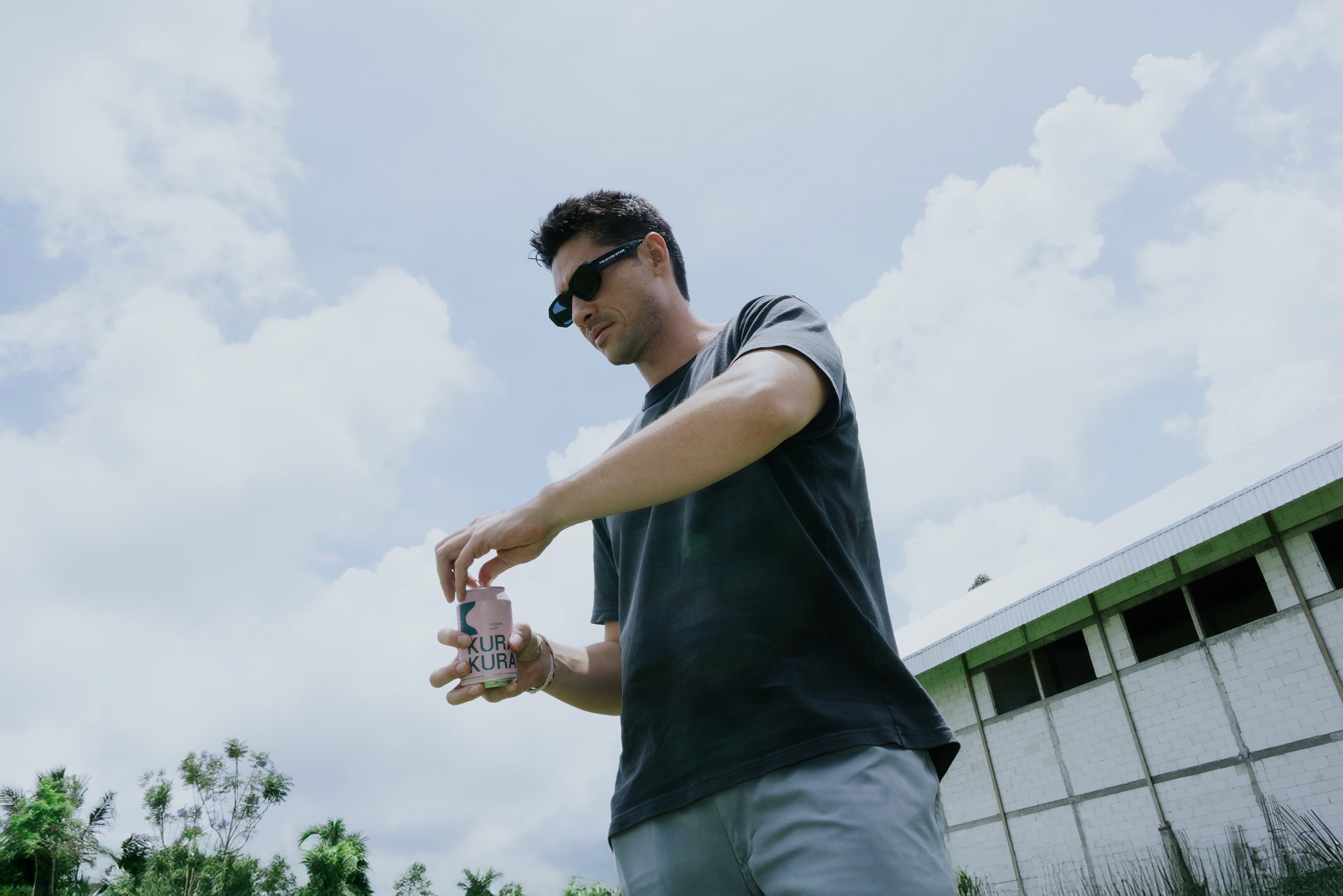
Born in Melbourne to an Irish mother and a Balinese father, Putu spent his early childhood in Bali before moving to Australia during high school, a formative period that would quietly shape the direction of his future.
“I grew up in hospitality,” he says simply. His father, a major force in Bali’s modern tourism story, was behind some of the island’s most influential ventures, from nightlife and transport to landmark hospitality destinations. It meant that from an early age, Putu was exposed not just to the glamour of the industry, but to its mechanics: concepts, operations, risk and reinvention. “Every time we went on holiday, my dad and I would talk about ideas, restaurants, venues, things we could bring to life in Bali.”
Australia, and Melbourne in particular, gave those conversations context. While completing his university studies, Putu found himself immersed in a city at the peak of its creative and culinary powers. “The food and beverage scene, the craft beer movement, the music, art and design - Melbourne between 2011 and 2019 was one of the best cultural hubs in the world,” he says. “It was way ahead of Bali at the time.” The craft beer boom left a particular impression, not just as a consumer trend but as a philosophy: smaller scale, quality-driven, community-oriented.
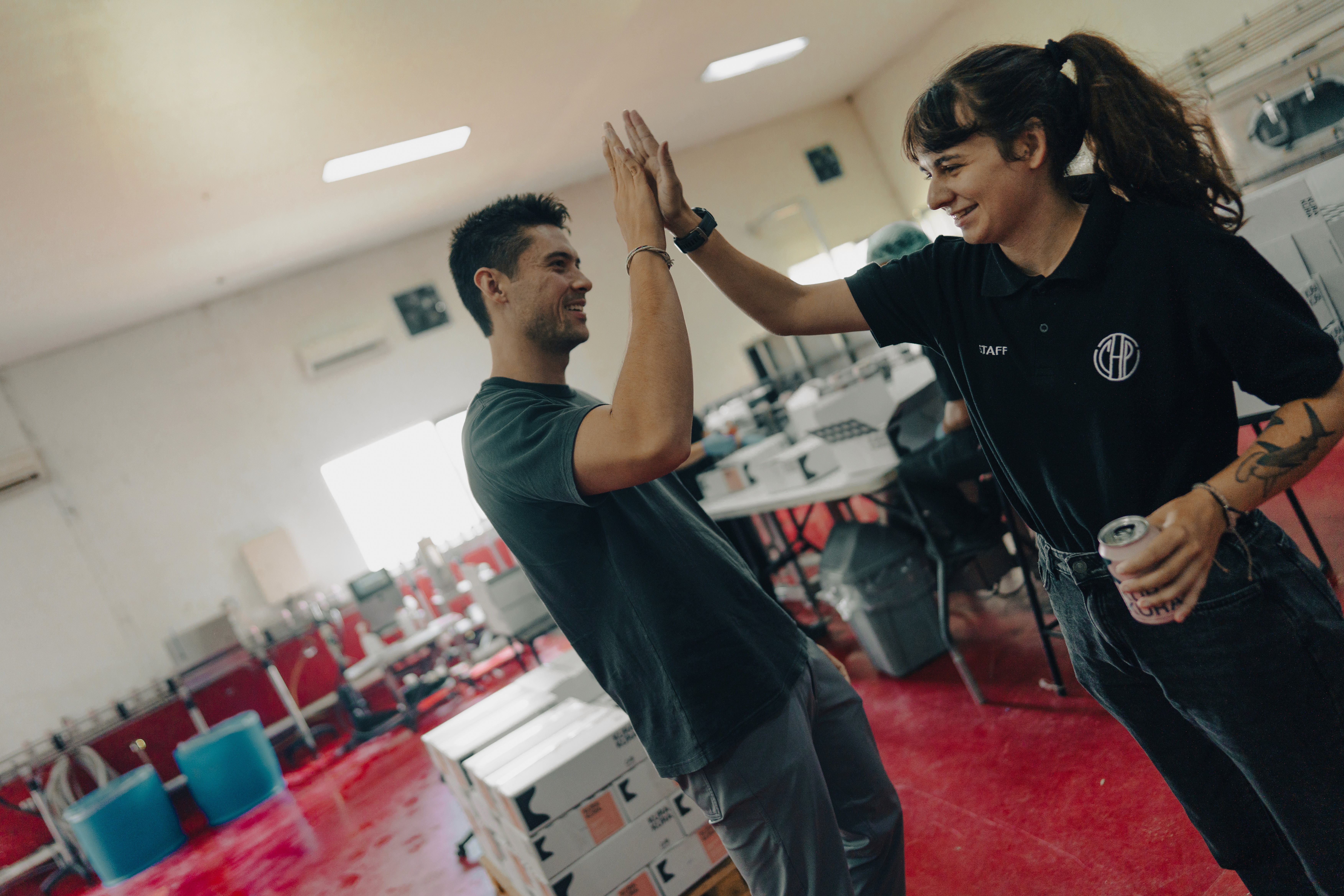
At just 22, Putu tested his instincts with his first business: a music festival launched with a friend. Creatively, it was a high point. Financially, it broke even. “It wasn’t about the money,” he says. “It was about the vibes.” More importantly, it confirmed something he already suspected, that building experiences, not just products, was where he felt most at home.
By 2019, the idea for Kura Kura Beer began to take shape. Starting from scratch, Putu spent months researching, interviewing brewers and suppliers across Australia and Southeast Asia, learning from markets that shared climatic and logistical similarities with Indonesia. He found a brewer, sourced equipment, and chose a site in the mountains of Bali, deliberately positioned to access high-quality water and cooler conditions.
Then the world shut down.
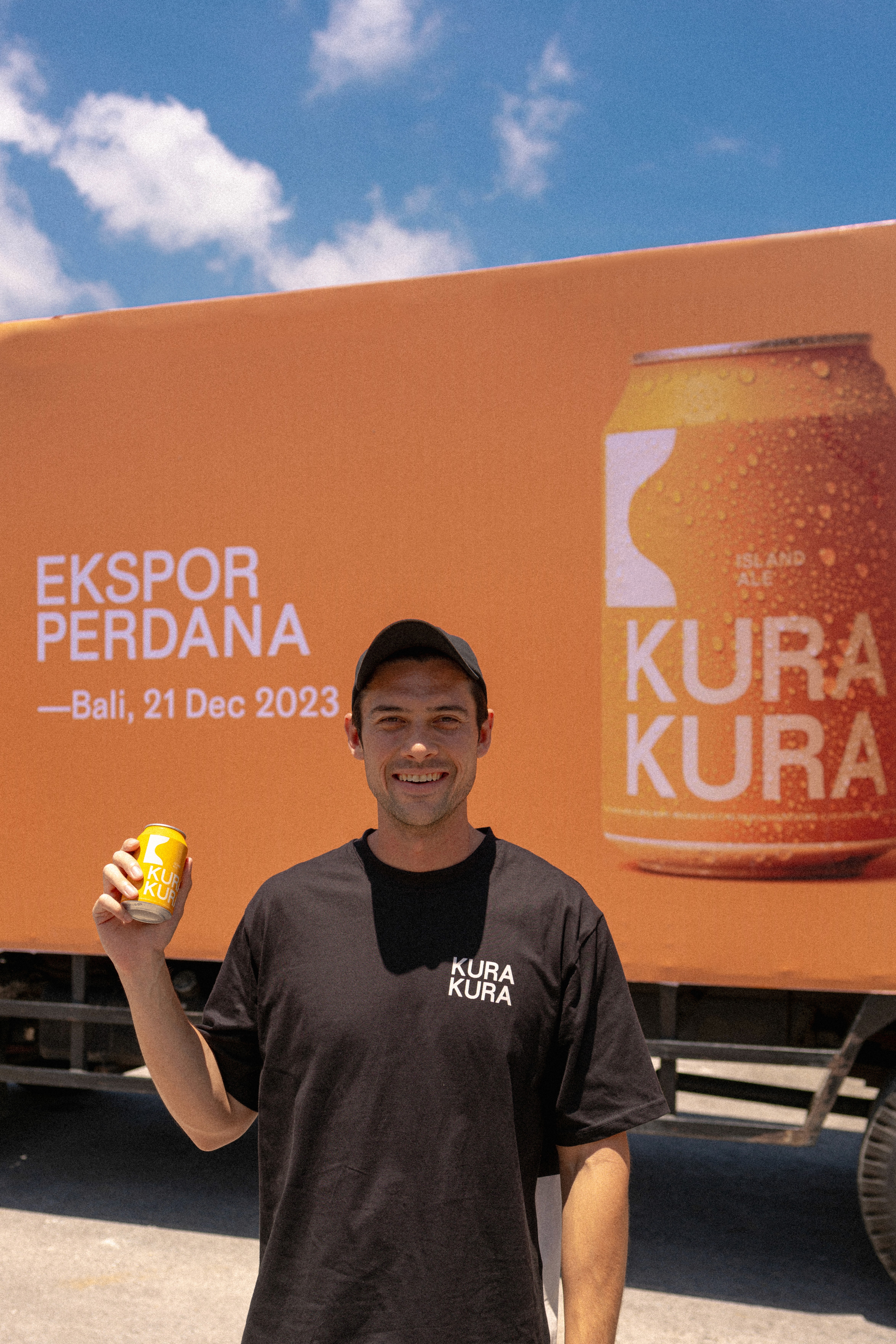
Kura Kura was ready to launch just as COVID-19 hit. For a tourism-dependent island like Bali, the uncertainty was existential. The project paused. “It was scary,” he admits. But by June, the decision was made to move forward anyway. What followed surprised him: the local community showed up. Without international tourists, the beer found its footing at home first, a rare and ultimately grounding experience.
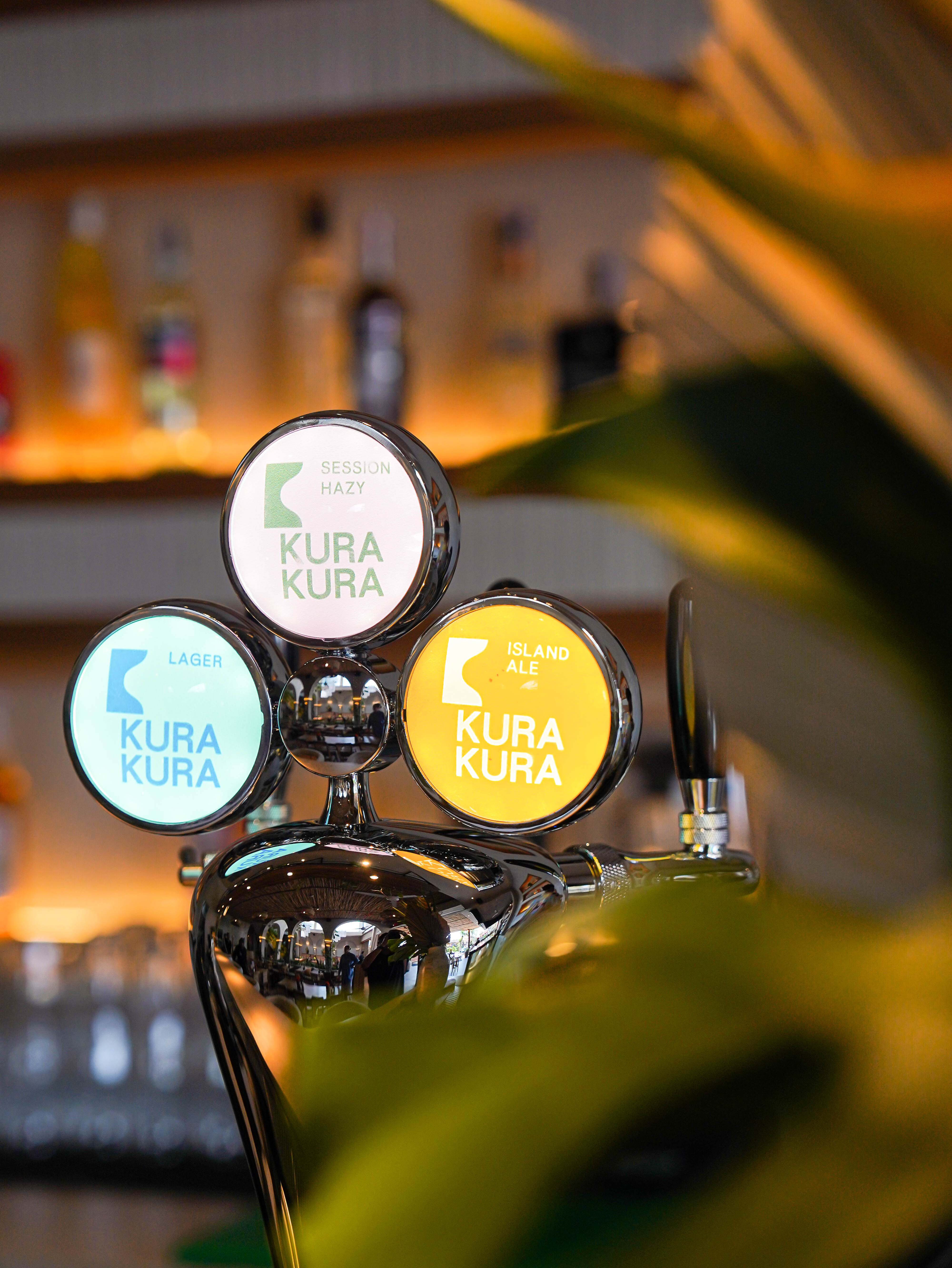
Today, Kura Kura has grown into a standalone brand with island-wide distribution, a growing team and an expanding portfolio that now includes spirits under the same family umbrella. The brewery runs smoothly, largely without Putu’s day-to-day involvement, a milestone he finds deeply satisfying. “The most rewarding part is seeing an idea turn into a full factory, then into something you see on supermarket shelves across Bali.”
What matters most to him, though, is how the brand is made. Kura Kura is positioned as an artisanal product brewed in Bali, prioritising quality ingredients, shorter supply chains and freshness over scale. “No corners cut,” he says. “It’s made by people, not factories.”
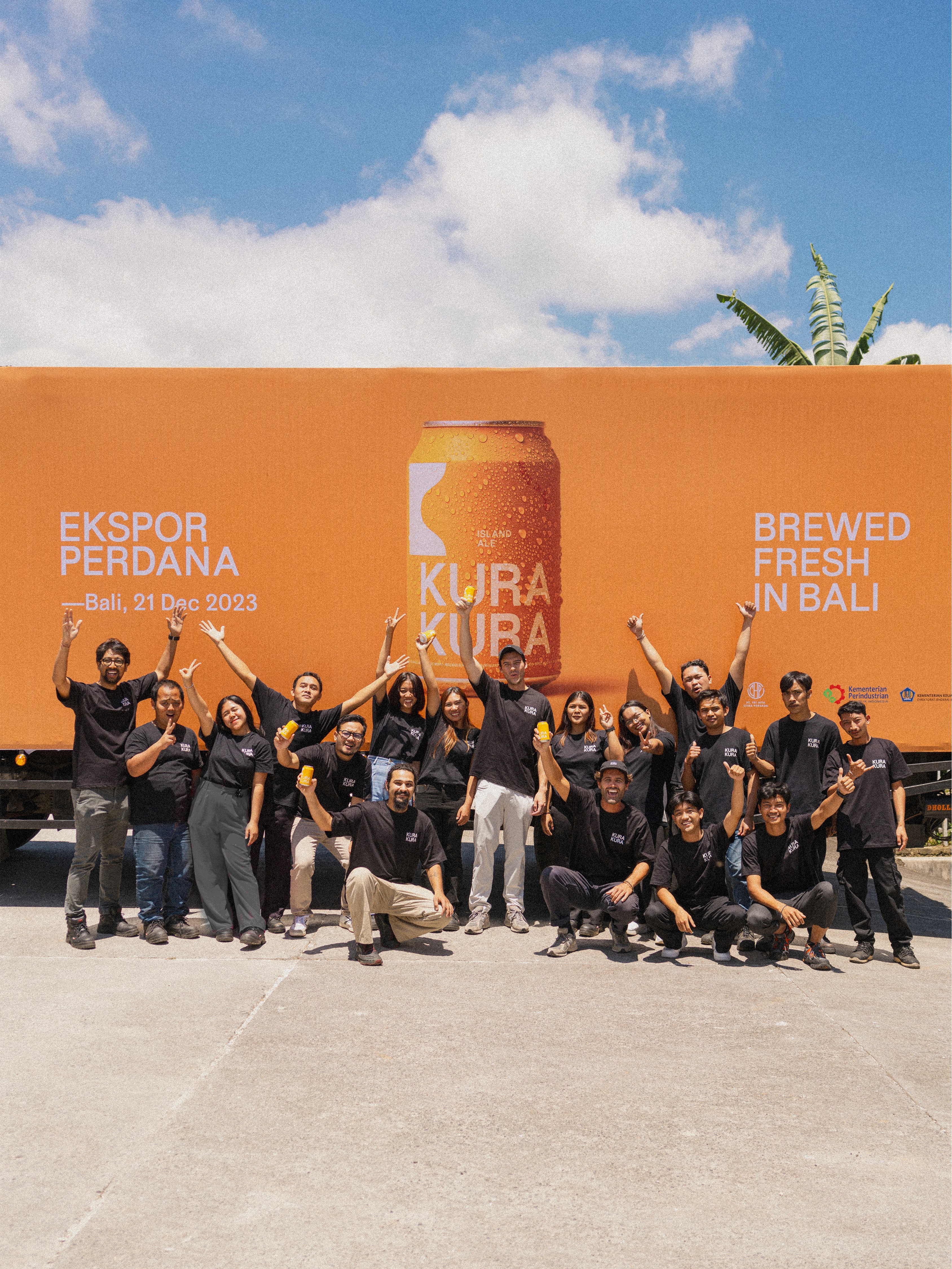
That ethos mirrors a broader shift he’s observed across the island. “Bali’s cafe and hospitality scene has created its own identity,” he explains. “It started with Australian influence, but now it’s something else, using local ingredients, local talent, and turning it into its own culture.”
With Kura Kura firmly established, Putu’s focus is expanding once more, this time back into the wider family business. Alongside his father, he’s now involved in acquiring and growing hospitality brands, including Milk & Madu, with more projects on the horizon.
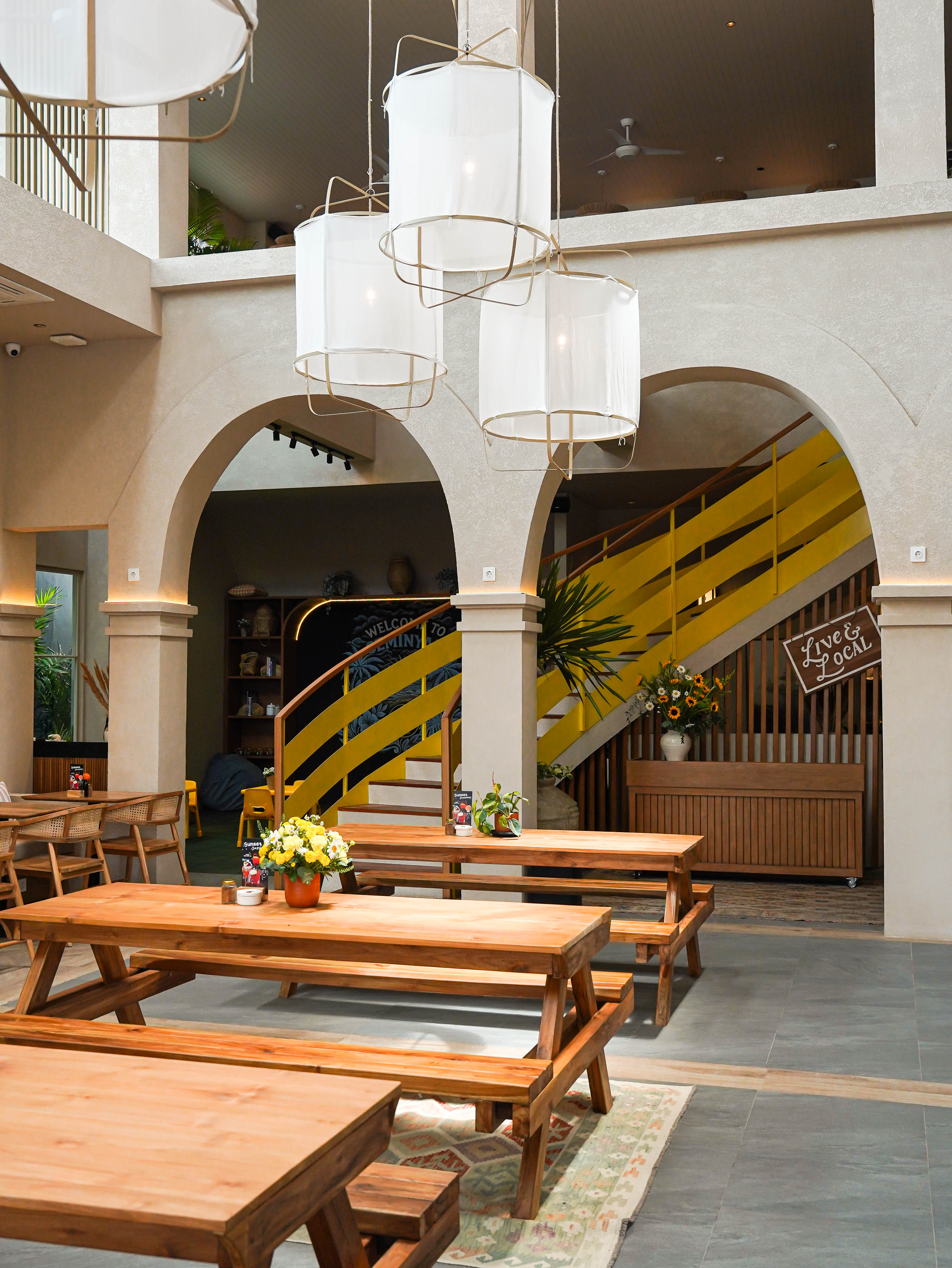
At the heart of it all is family. With his sister also joining the business, the company remains proudly family-owned. “That’s important to us,” Putu says. “Working with my dad, learning from him, it’s something I’m really proud of.”
As Bali continues to evolve, so does Putu’s role within it, bridging generations, cultures and industries. Craft beer may have been the entry point, but the bigger picture is hospitality itself: done thoughtfully, creatively, and with a long view toward legacy.
|
Sejal Kumar
Share: