Understanding Tri Hita Karana and Bali’s Everyday Rituals
There’s a feeling that settles in slowly when you spend time in Bali.
Lani te Hennepe
It appears in quiet moments rather than grand ones, in the pause before a ceremony begins, in the scent of incense drifting through village streets, in the way everyday life adjusts itself without resistance. What makes Bali unique isn’t only its beauty, but the harmony that continues to shape how the island lives and breathes.
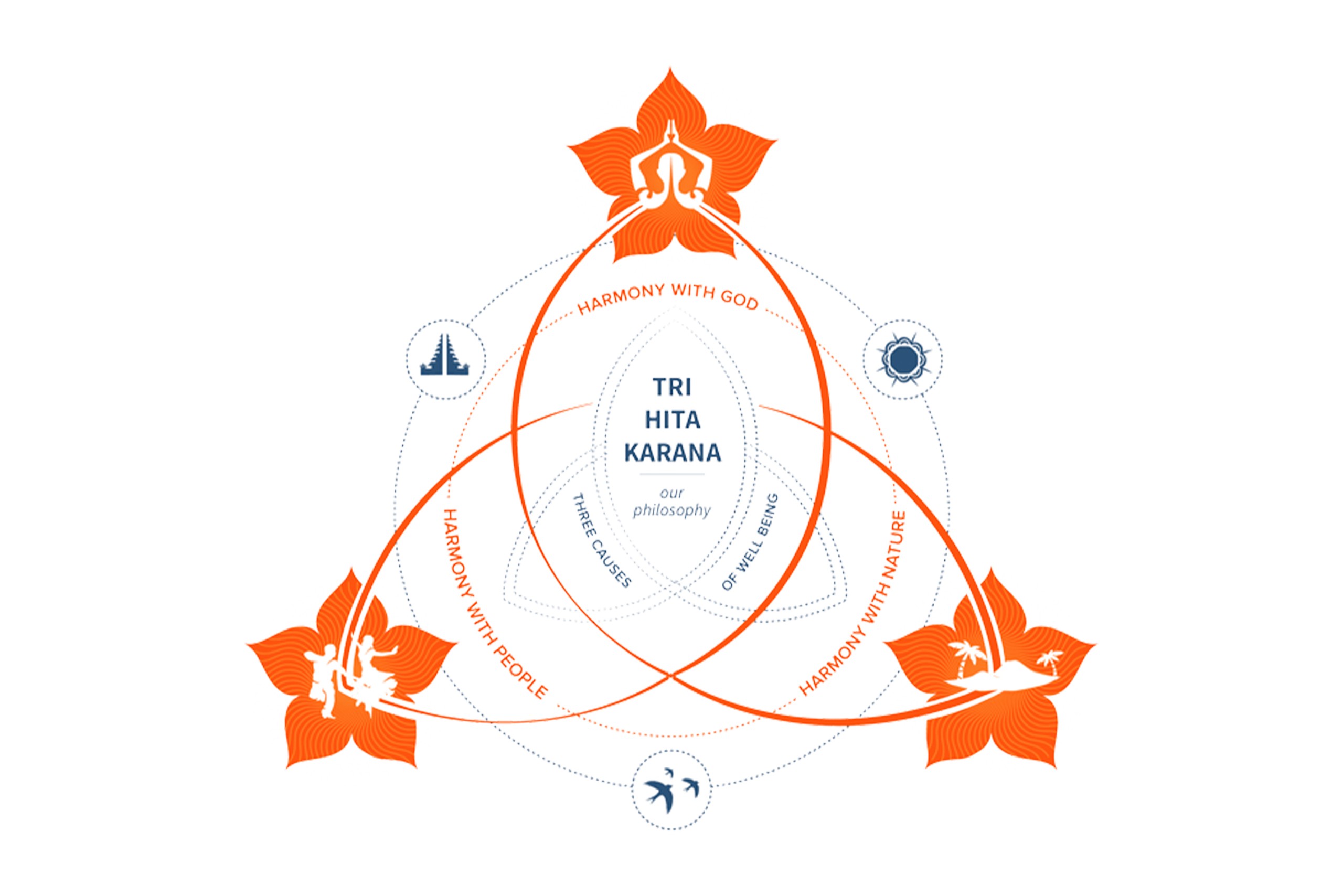
Even as Bali grows busier and more dynamic than ever, this harmony endures. Beneath the traffic, the development and the pace of modern life sits Tri Hita Karana, the guiding philosophy that has shaped Balinese culture for generations. Tri Hita Karana translates to the “three causes of well-being”, a framework for living in balance with the divine, with other people, and with nature.
A way of living, not a slogan
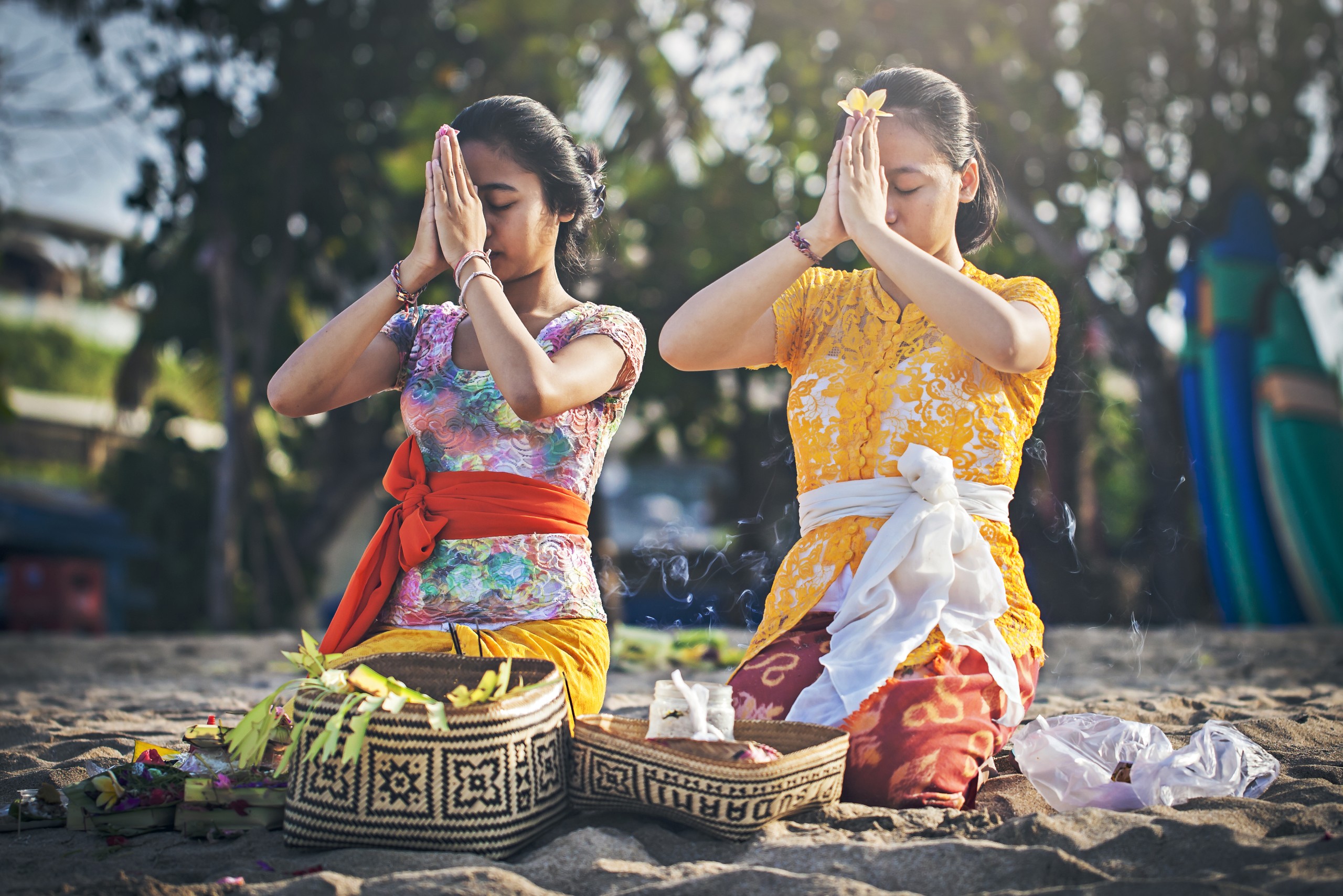
In Bali, spirituality doesn’t exist in isolation. It’s woven into the everyday. Canang sari offerings appear each morning on doorsteps, in temples, along sidewalks and in front of shops, small acts of gratitude and alignment, repeated with quiet consistency.
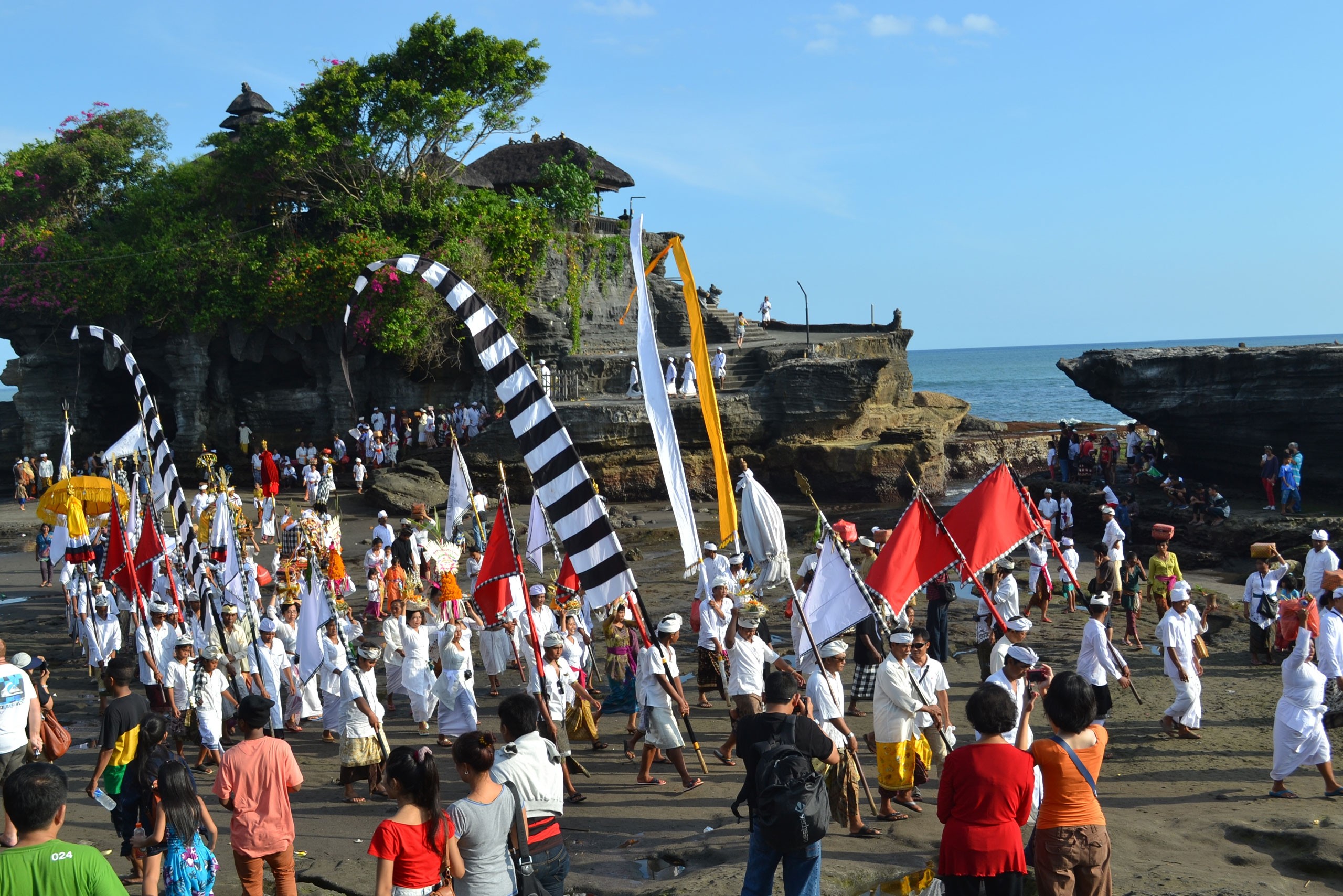
Ceremonies still interrupt traffic and pause businesses without apology. Time bends around them. For visitors, it can feel surprising at first, but it’s also one of the clearest signals that balance is not an afterthought here; it’s a priority.
The three relationships that shape Bali
Tri Hita Karana is often explained through three interconnected pillars: harmony with God (parhyangan), harmony among people (pawongan), and harmony with the environment (palemahan).
You don’t need to memorise the terms to feel them in action. You see it in daily temple life, in how communities work together, and in the respect shown to mountains, rivers and the sea.
Community as a foundation
Life in Bali continues to revolve around connection. In many areas, villages operate through the banjar system, a community structure built on cooperation, shared responsibility and mutual support. It’s part of why Bali can feel so socially “held,” even when things are busy.
One of the most striking real-world expressions of this harmony is the Subak irrigation system, recognised by UNESCO as part of Bali’s cultural landscape. Subak isn’t simply a clever water system; it’s a cooperative, temple-linked approach to sharing water across rice fields, reflecting the belief that land, people and spirit must remain in balance.
Living alongside nature
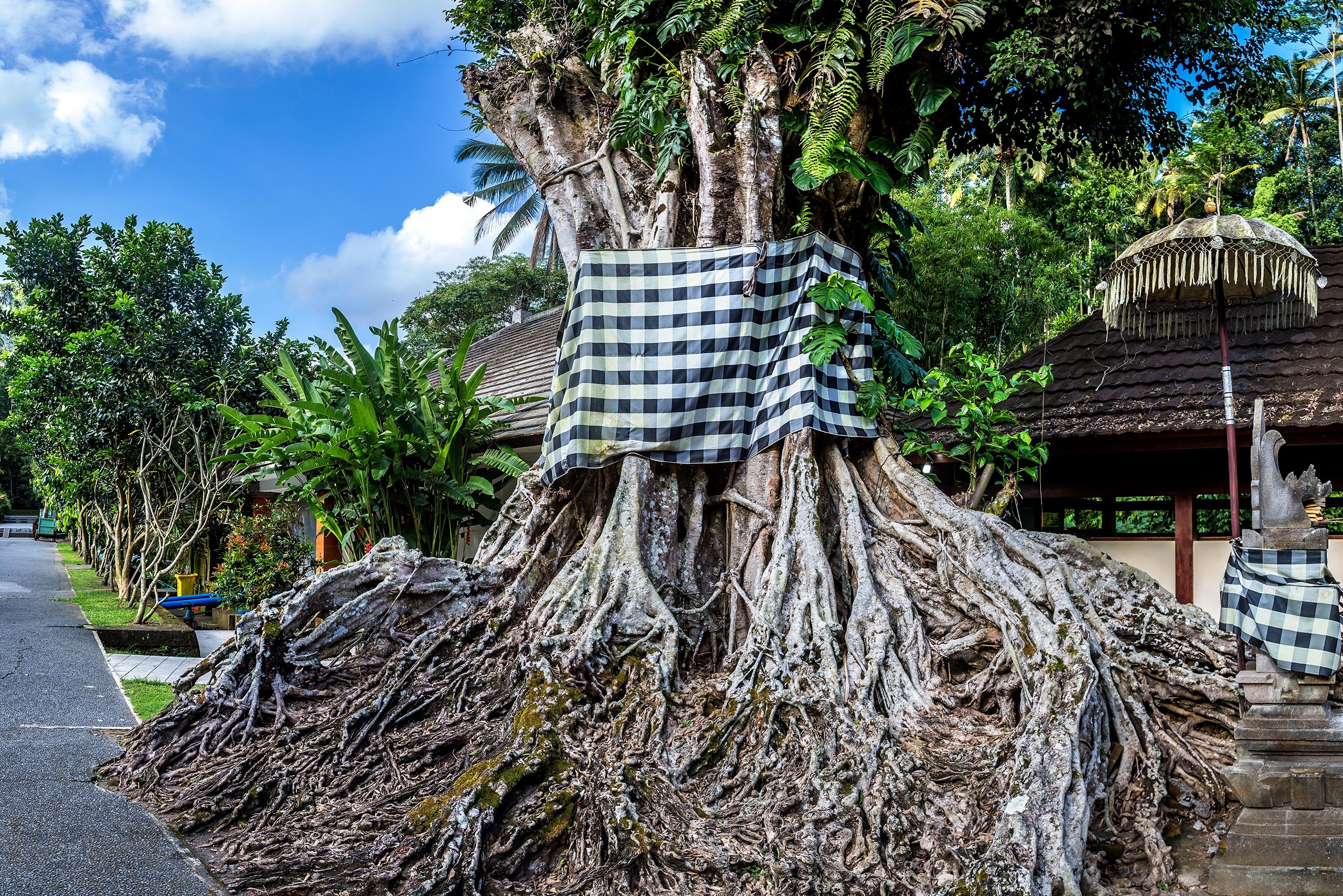
In Bali, nature is not treated as a backdrop. It is present, respected and integrated. Mountains are sacred. Rivers carry meaning. The ocean is approached with reverence. This relationship influences the way villages are organised and how space is used, ensuring spiritual areas, communal zones and homes coexist with intention.
For travellers, this is also why Bali’s most meaningful moments often happen away from the main attractions: walking through a village during preparations, watching offerings placed with care, or noticing how daily life makes room for ritual.
Why Bali still feels different
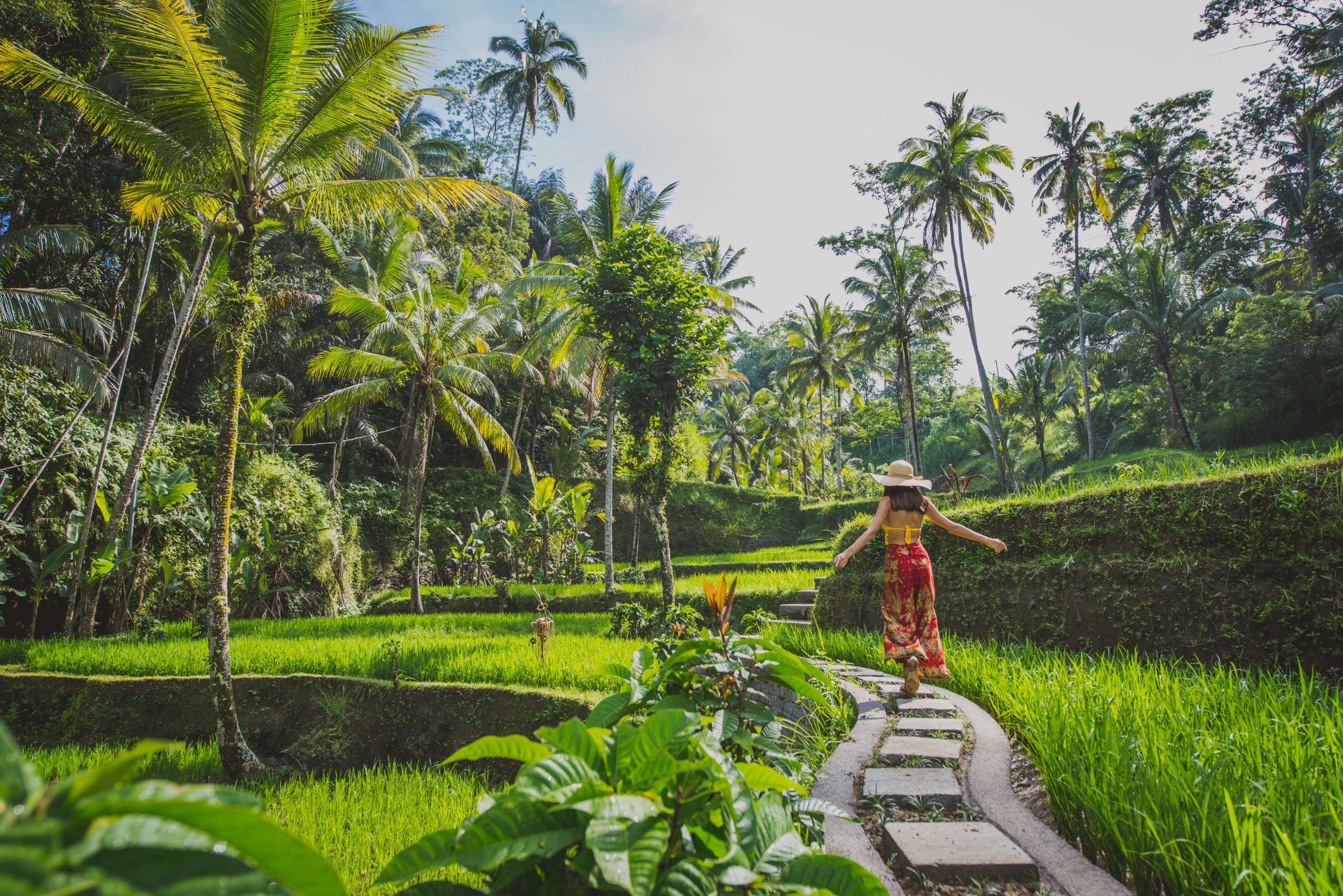
Bali doesn’t feel different because it has avoided change. It feels different because, even in the midst of growth and modern demands, its people continue to hold firmly to values rooted in harmony.
Tri Hita Karana helps explain why ceremonies are never rushed, why community remains central, and why the natural world is treated with spiritual weight, not just aesthetic value. It reveals itself slowly, through observation and participation.
And perhaps that’s what makes Bali truly unique. Not that it resists change, but that it continues to pursue balance with quiet conviction.
|
Lani te Hennepe
Share: