Understanding Bali’s Spiritual World Through Ketut Liyer and His Legacy
Bali is known for its temples, rice fields and beachside rituals, but for many travellers, it is the island’s spiritual depth that leaves the strongest impression.
Lani te Hennepe
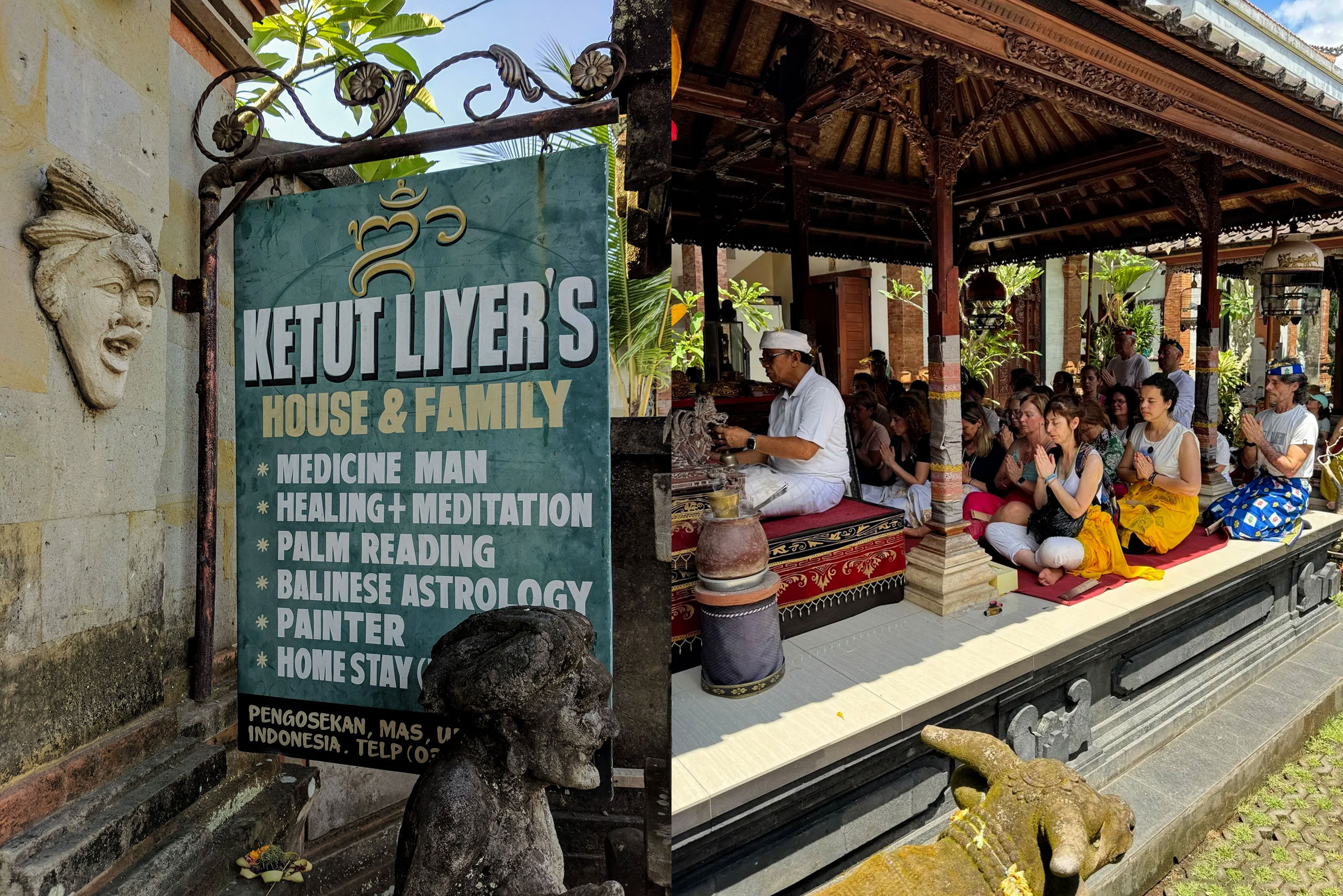
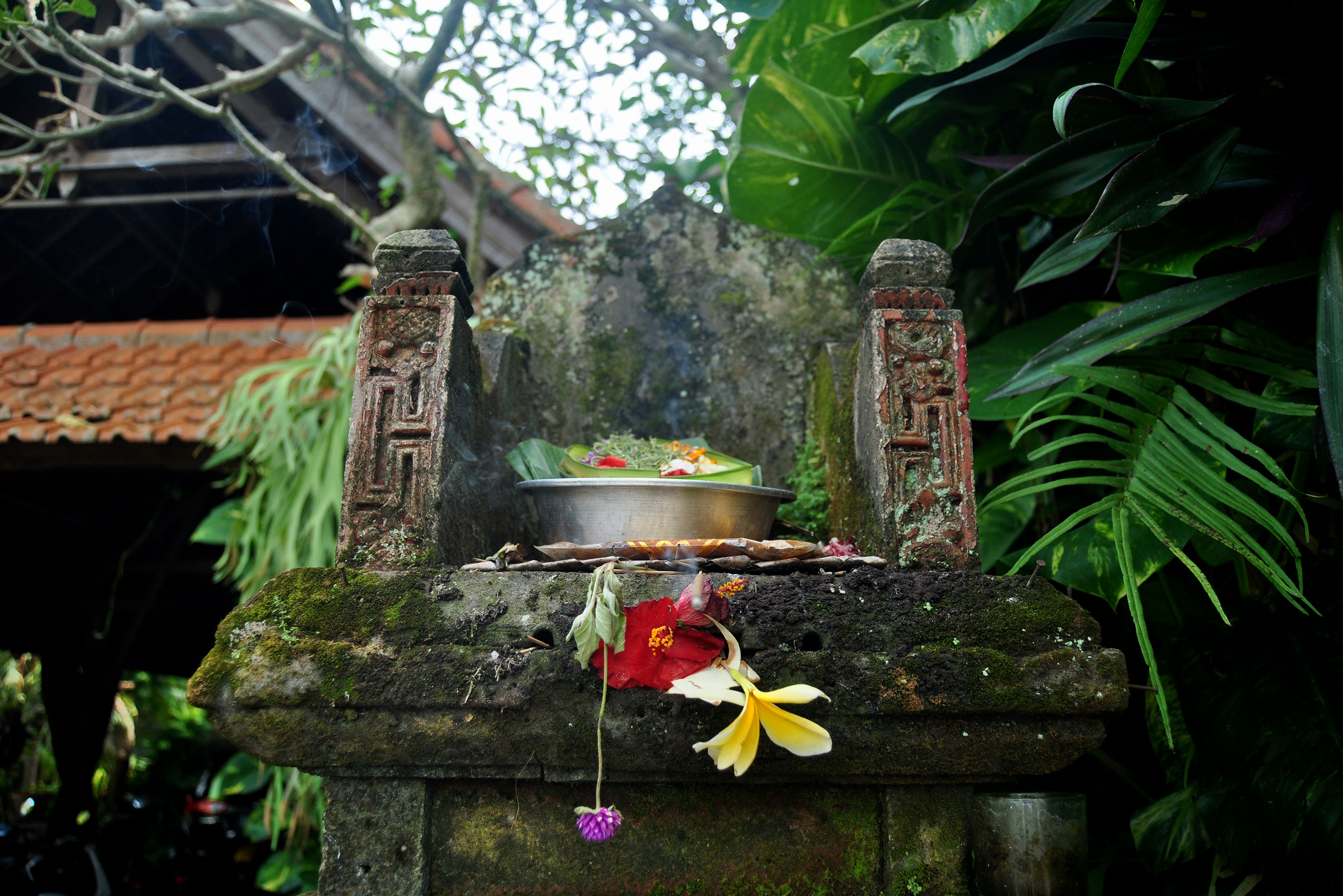
In Ubud, spirituality is not curated for visitors. It is lived daily. Offerings are placed on doorsteps before sunrise, ceremonies take precedence over schedules, and traditional Balinese healers remain quietly woven into everyday life.
One of the most widely recognised figures in this spiritual landscape was Ketut Liyer, a Balinese healer whose name became internationally familiar through Eat Pray Love. Yet beyond the book and film, Ketut Liyer represented something far more authentic: a living expression of Bali’s spiritual tradition.
What Is a Balinese Healer?
In Bali, a traditional healer is known as a balian. Becoming a balian is not a career choice or learned profession. It is believed to be a calling, often passed through family lineage or revealed through spiritual signs, dreams or periods of illness.
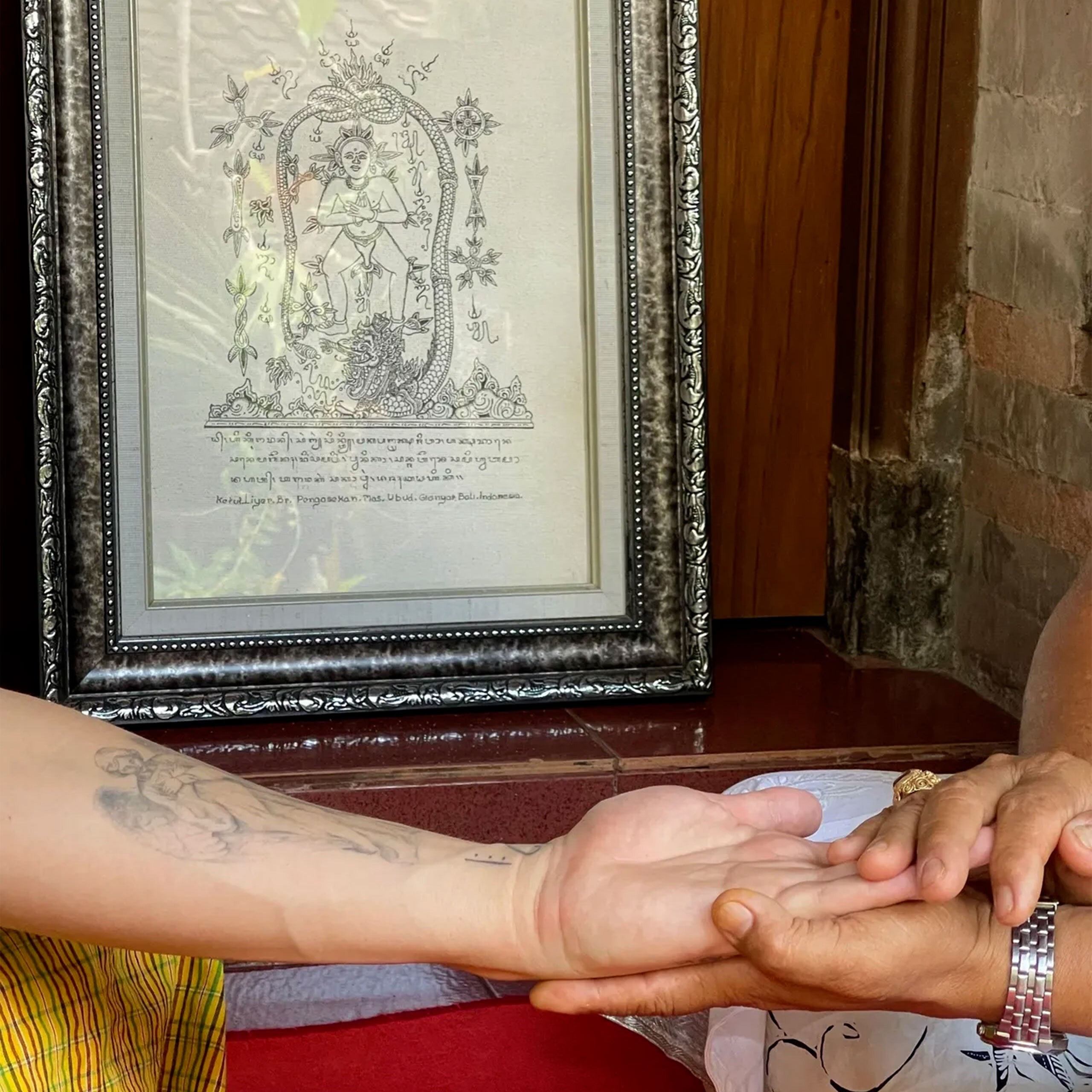
Balinese healers do not focus solely on physical ailments. Their role extends to emotional clarity, spiritual alignment, energetic balance and life harmony. Some work with palm readings, others through prayer, mantras or symbolic gestures. Many adapt their approach intuitively, depending on what they believe is needed.
For locals, visiting a healer is neither unusual nor indulgent. It is simply part of maintaining balance in life.
Ketut Liyer’s Place in Balinese Spiritual Culture
Ketut Liyer lived and practised in Ubud for decades, long before international attention arrived. Locals sought his guidance for blessings, reassurance and direction, building his reputation through consistency rather than spectacle.
Rather than offering dramatic predictions, his readings centred on patience, balance and purpose. He was known for his warmth and humour, often reminding visitors that happiness came from simplicity and alignment, not control.
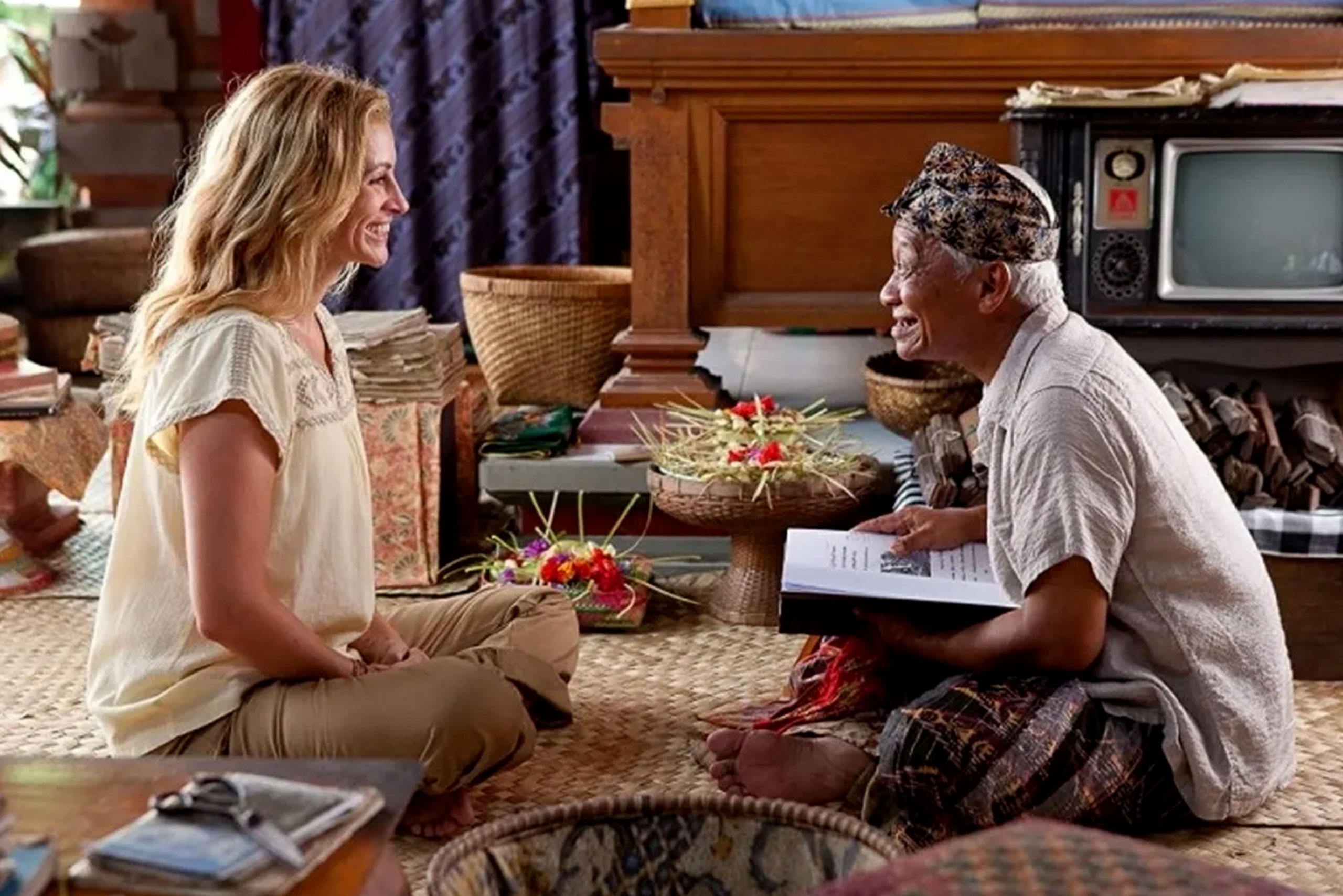
After Eat Pray Love, visitors from around the world arrived hoping to meet him. While this transformed his once-quiet practice, it also brought global awareness to Balinese healing traditions and sparked deeper curiosity about Bali’s spiritual foundations.
Ketut Liyer passed away in 2016, but his influence did not end there.
A Spiritual Legacy Passed On
Today, Ketut Liyer’s spiritual role continues through his son, who is believed to carry the same intuitive calling. In Balinese belief, spiritual responsibility is often inherited rather than taught, a duty passed down through generations.
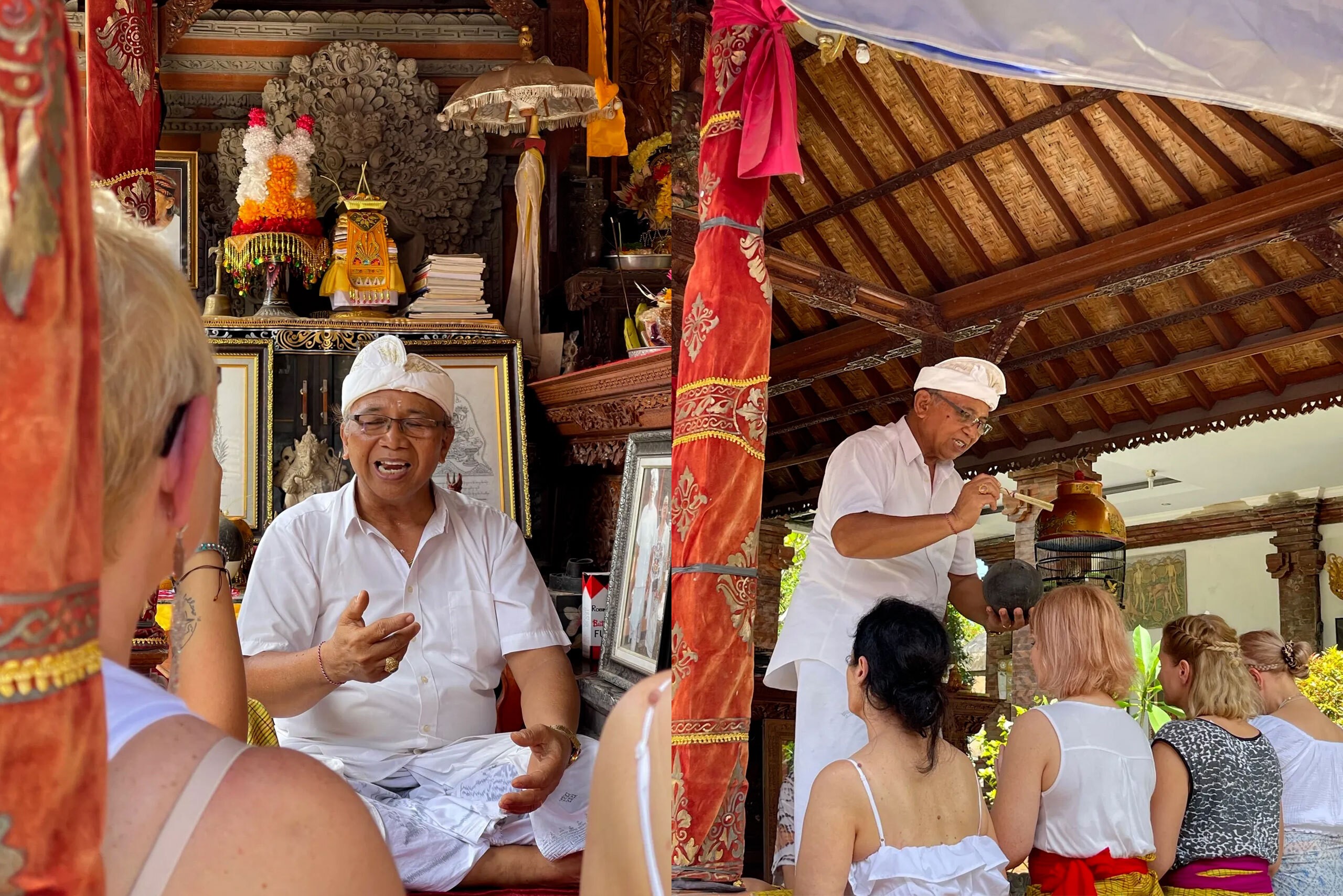
His son now receives visitors seeking guidance, maintaining the same grounded, respectful approach that defined his father’s practice. While Ubud has evolved around him, the essence of the experience remains rooted in humility, tradition and presence.
This continuation reinforces an important truth: Balinese healing is not a performance for visitors, but a deeply personal role within the community.
Visiting a Balinese Healer in Ubud Today
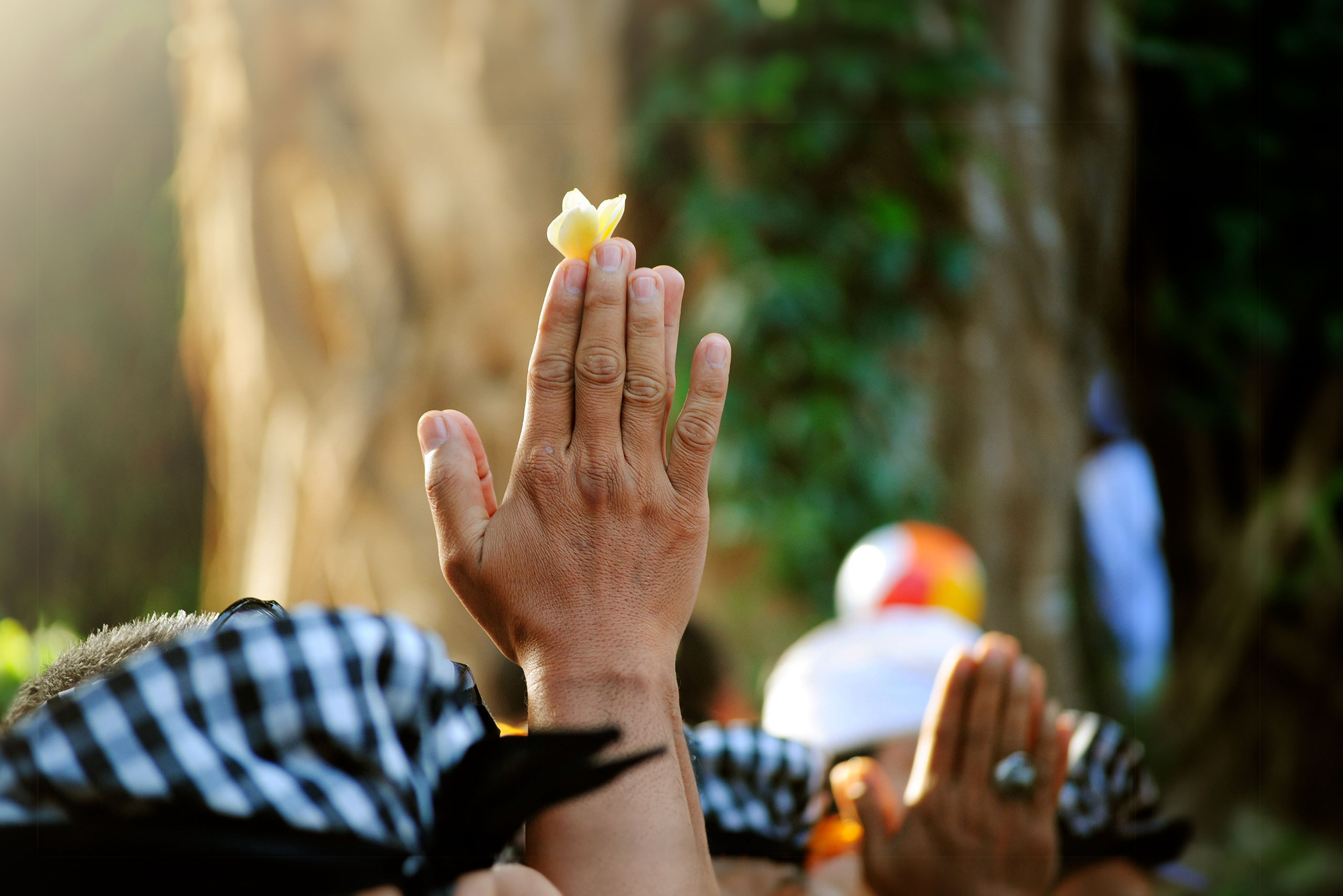
Ubud remains home to many respected healers, each with their own approach. Some work quietly within villages, while others accept visitors by appointment. Experiences vary widely, and understanding this is essential.
A healing session is not a spa treatment. It may be brief or unexpectedly simple. Some healers speak very little. Others offer gentle insight rather than explanation. The experience often feels reflective rather than dramatic.
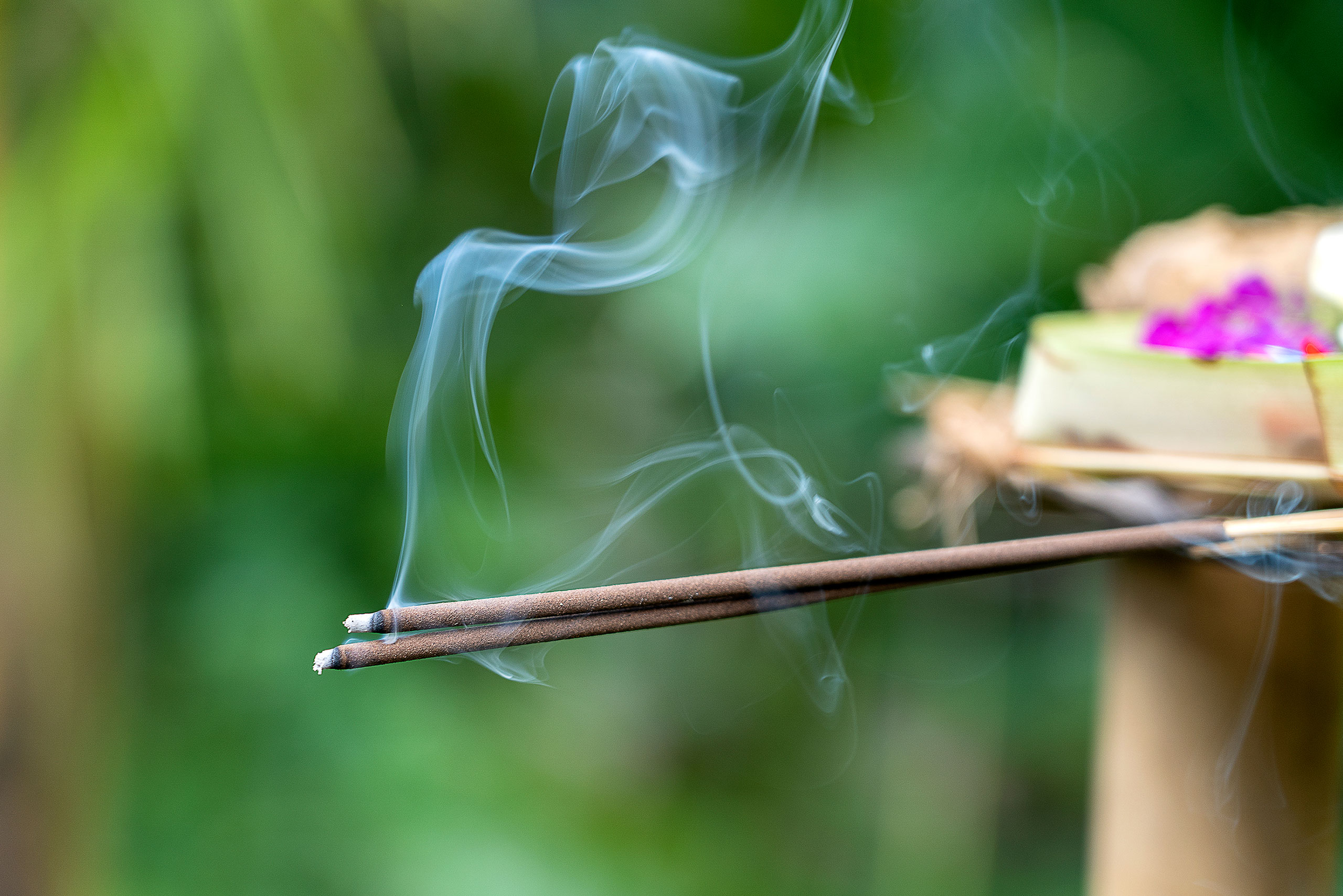
Respectful travel means recognising that these practices exist first for the local community. For many Australians, engaging with Bali’s spiritual side offers not answers, but perspective - a reminder that life does not always need to be solved, only understood.
For those willing to slow down, Bali offers more than a holiday. It offers insight into a way of living where balance, tradition and spirituality remain deeply intertwined.
|
Lani te Hennepe
Share: