The Top Bali Villages for Culture, Nature and Unique Adventures
Bali’s appeal extends far beyond its beaches and beach clubs.
Lani te Hennepe
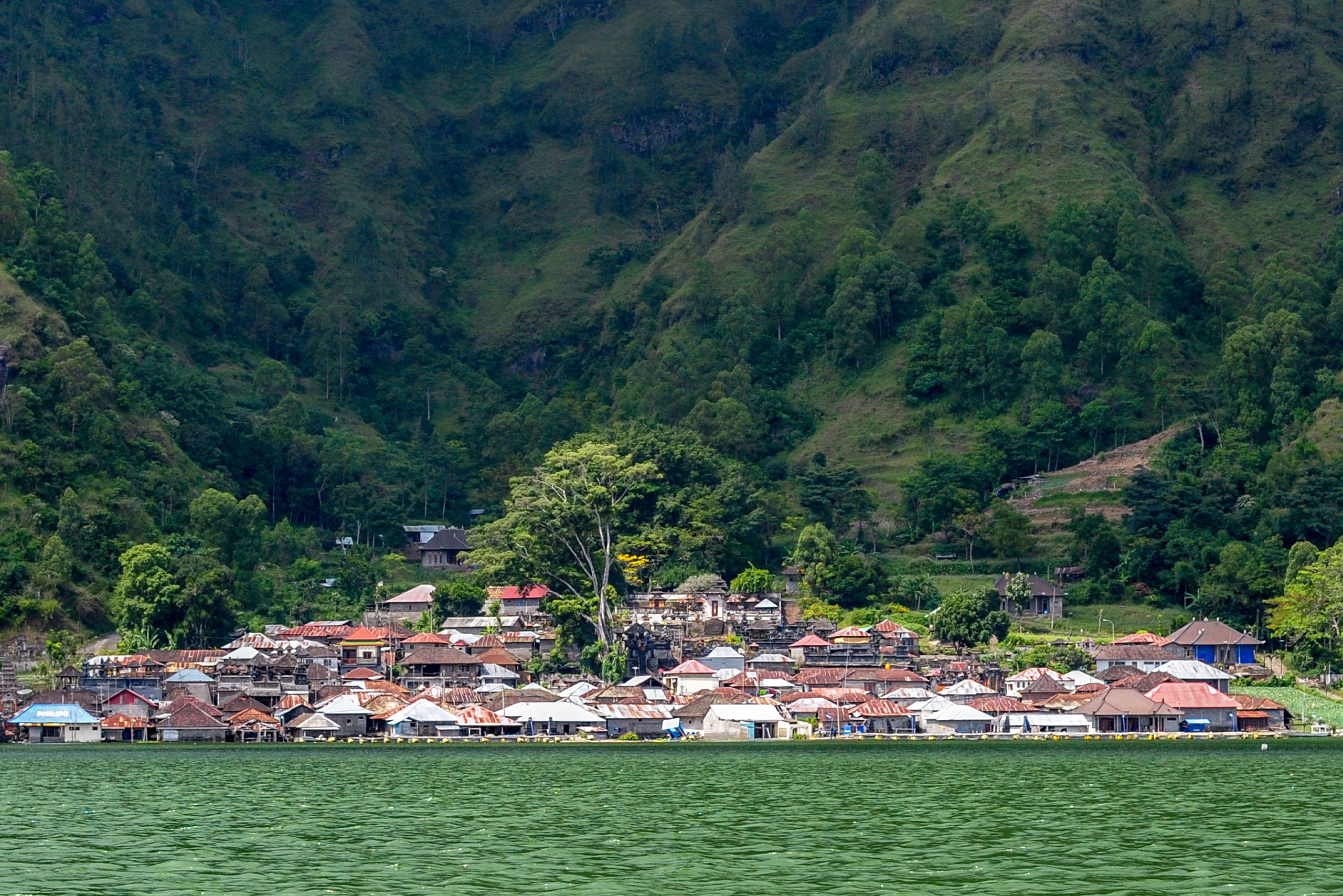
Across the island, traditional villages offer an immersive look at its culture, landscapes and longstanding traditions, from ancient communities preserving age-old rituals to artisan hubs where craftsmanship still defines daily life. Here are some of the must-visit villages in Bali for travellers seeking a deeper connection to the island.
Penglipuran, The Quintessential Traditional Village
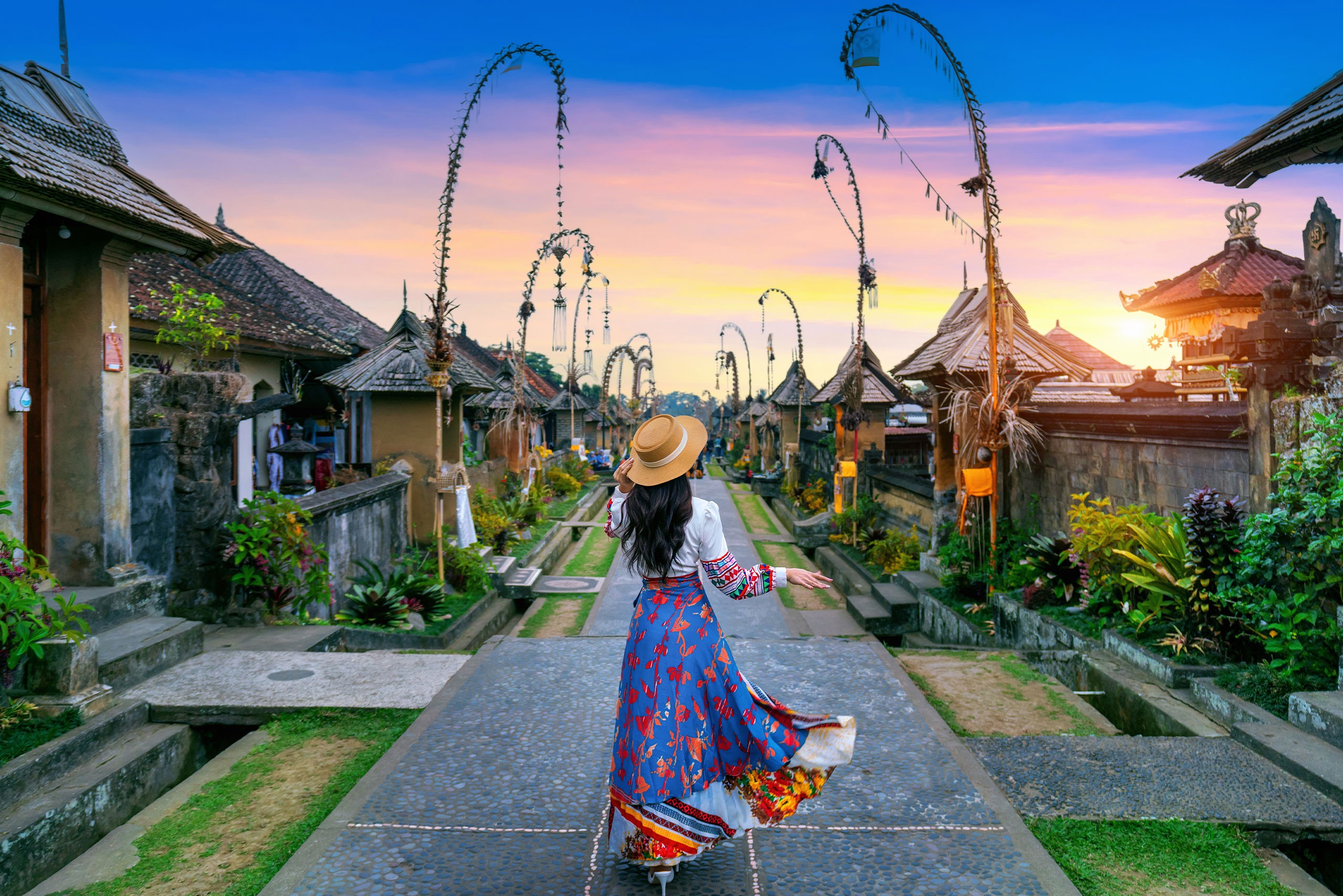
Located in Bangli Regency, Penglipuran is one of Bali’s best-preserved traditional villages. Its stone pathways, symmetrical gates and bamboo architecture reflect a communal way of life guided by the Tri Hita Karana philosophy, which emphasises harmony between people, nature and the spiritual world. Surrounded by protected bamboo forest, Penglipuran offers a serene glimpse into rural Balinese culture, far removed from the island’s busiest hubs.
Tenganan Pegringsingan, Ancient Bali Aga Culture
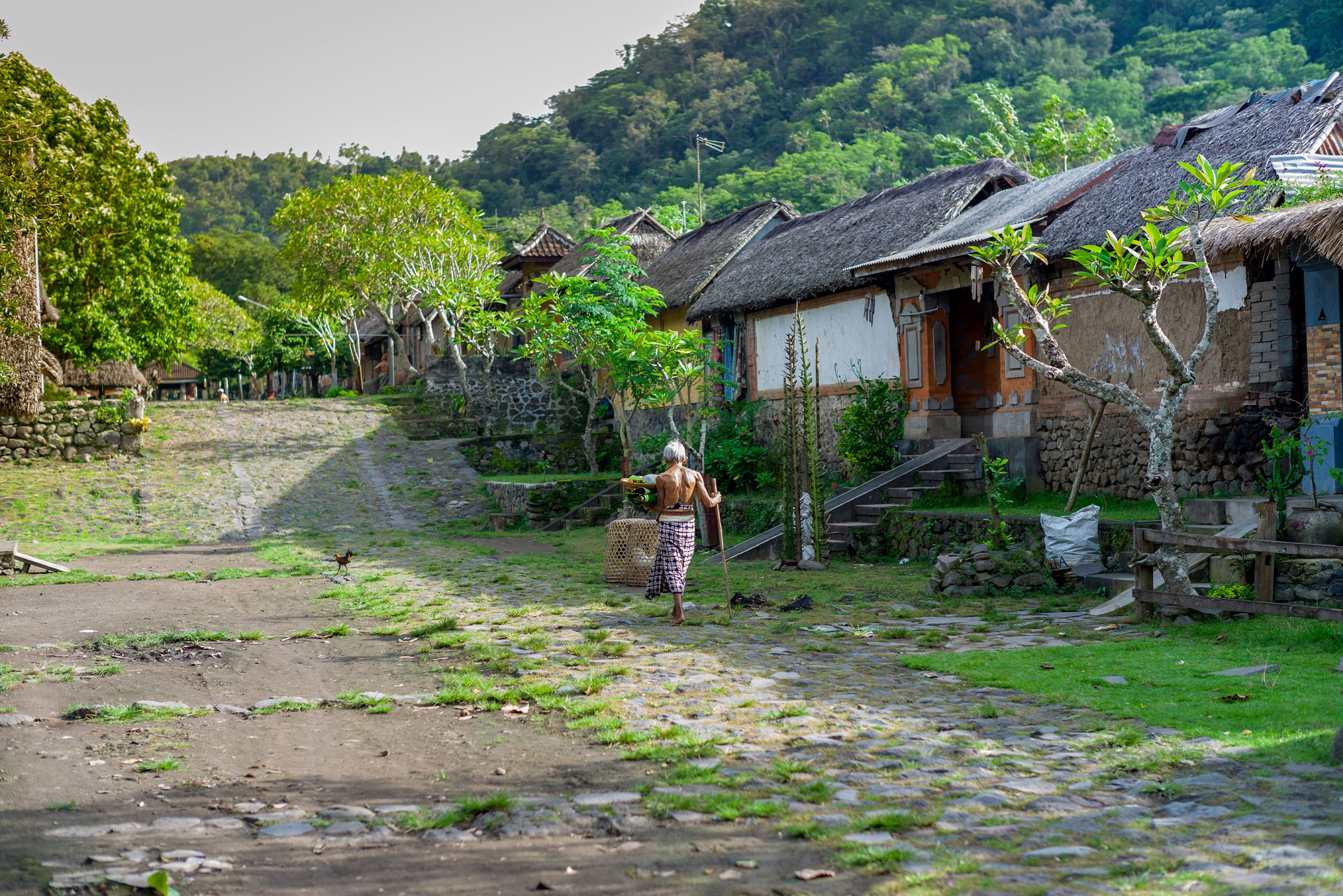
In eastern Bali’s Karangasem Regency, Tenganan is one of the island’s oldest Bali Aga villages, predating Hindu-Javanese influence. The village is renowned for its geringsing double ikat textiles, a rare weaving technique still practised today. Traditional homes, communal spaces and enduring rituals make Tenganan a window into Bali’s earliest cultural layers.
Trunyan, Mystical Traditions on Lake Batur
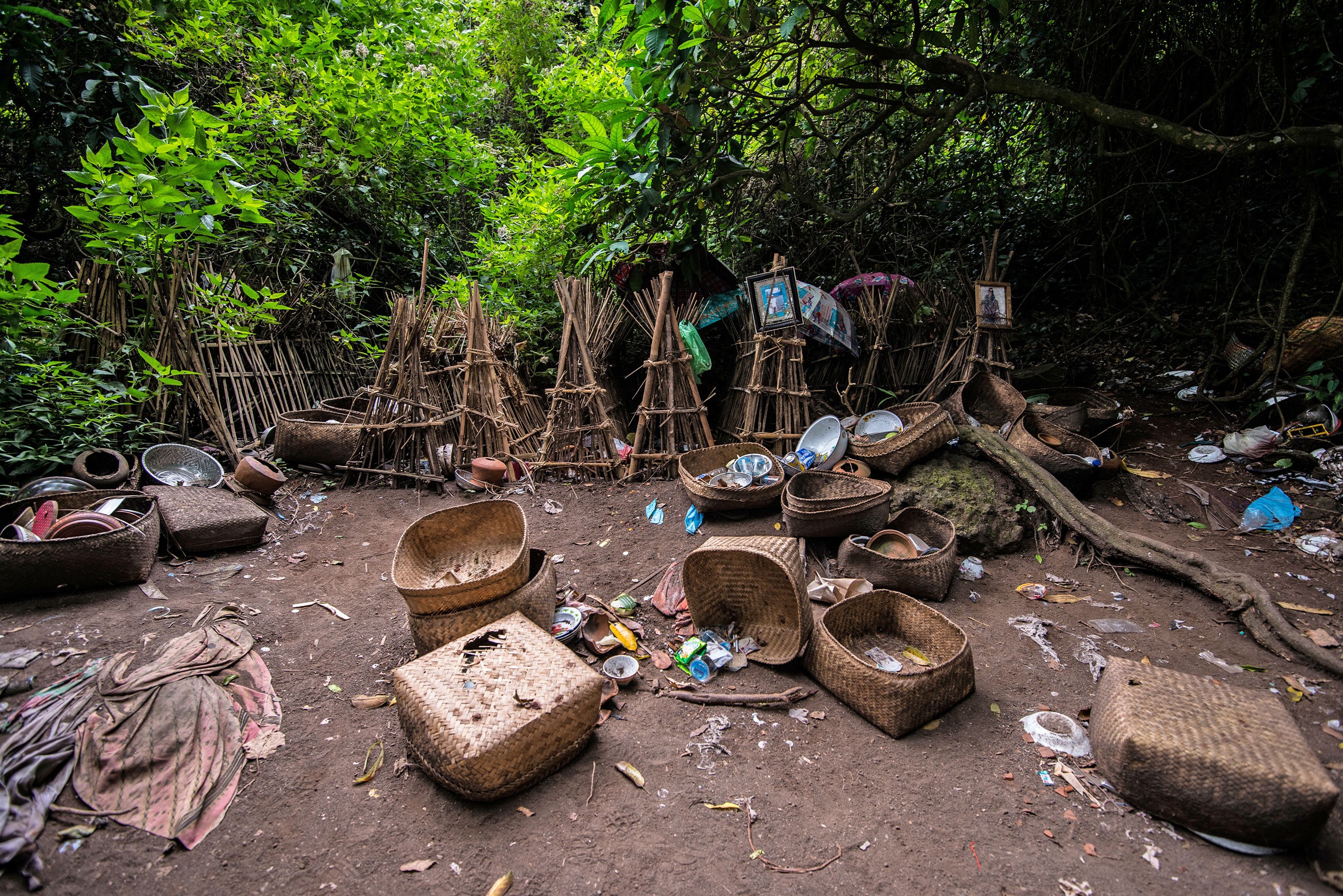
Set on the eastern shore of Lake Batur, Trunyan is a culturally isolated Bali Aga village known for its distinctive funerary customs. Here, the deceased are placed beneath bamboo canopies rather than buried or cremated, a practice shaped by ancient animist beliefs. Reaching Trunyan by boat across the lake adds to its sense of remoteness and ritual significance.
Mas Village, The Heart of Bali’s Wood Carving
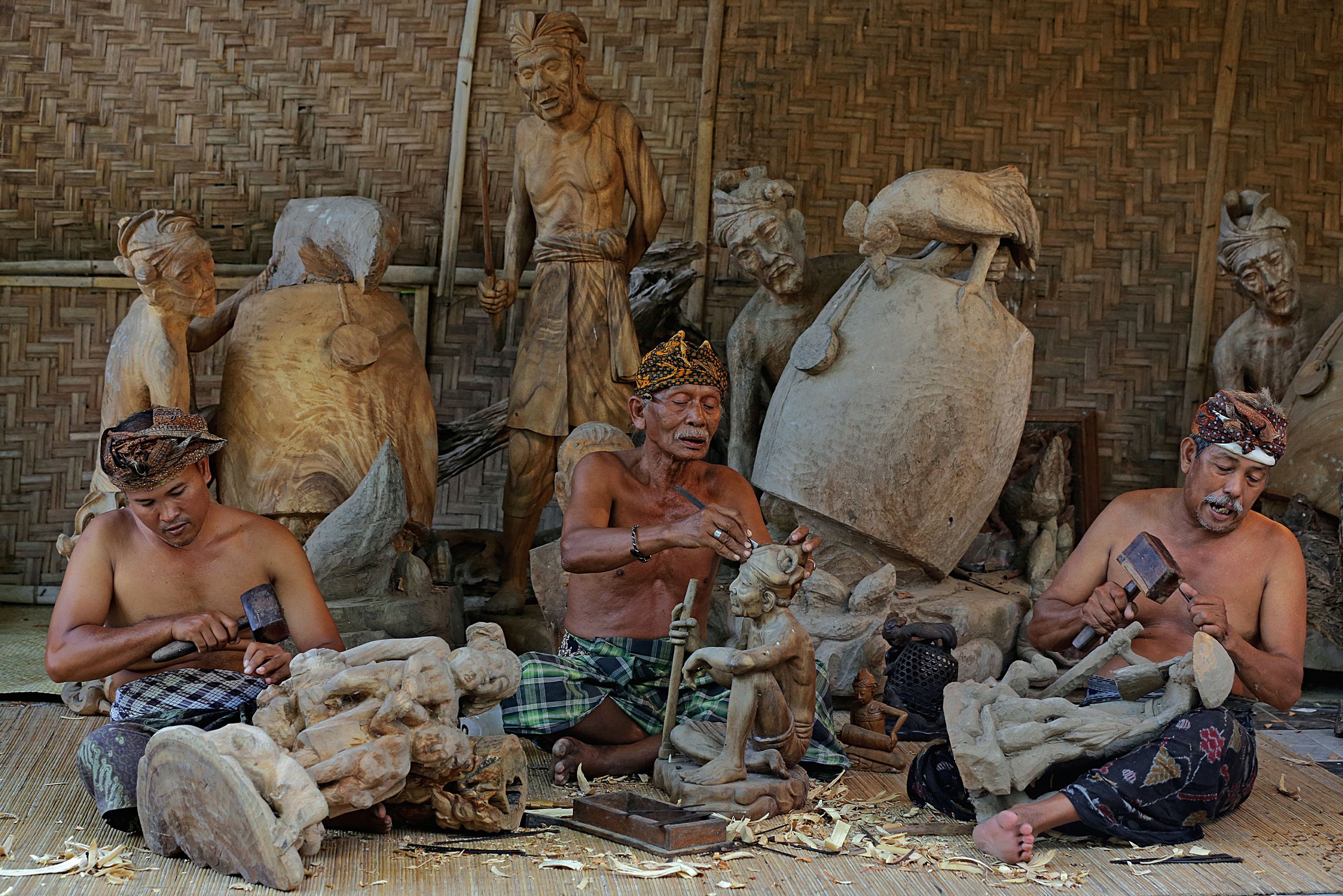
Just south of Ubud, Mas Village is Bali’s centre for traditional wood carving. Artisans work with teak, ebony and satinwood to create intricate sculptures, religious figures and furniture, continuing a craft passed down through generations. Visitors can explore galleries, observe master carvers or take part in carving workshops, making Mas a rewarding stop for culture lovers.
Celuk Village, Bali’s Silver and Gold Jewellery Hub
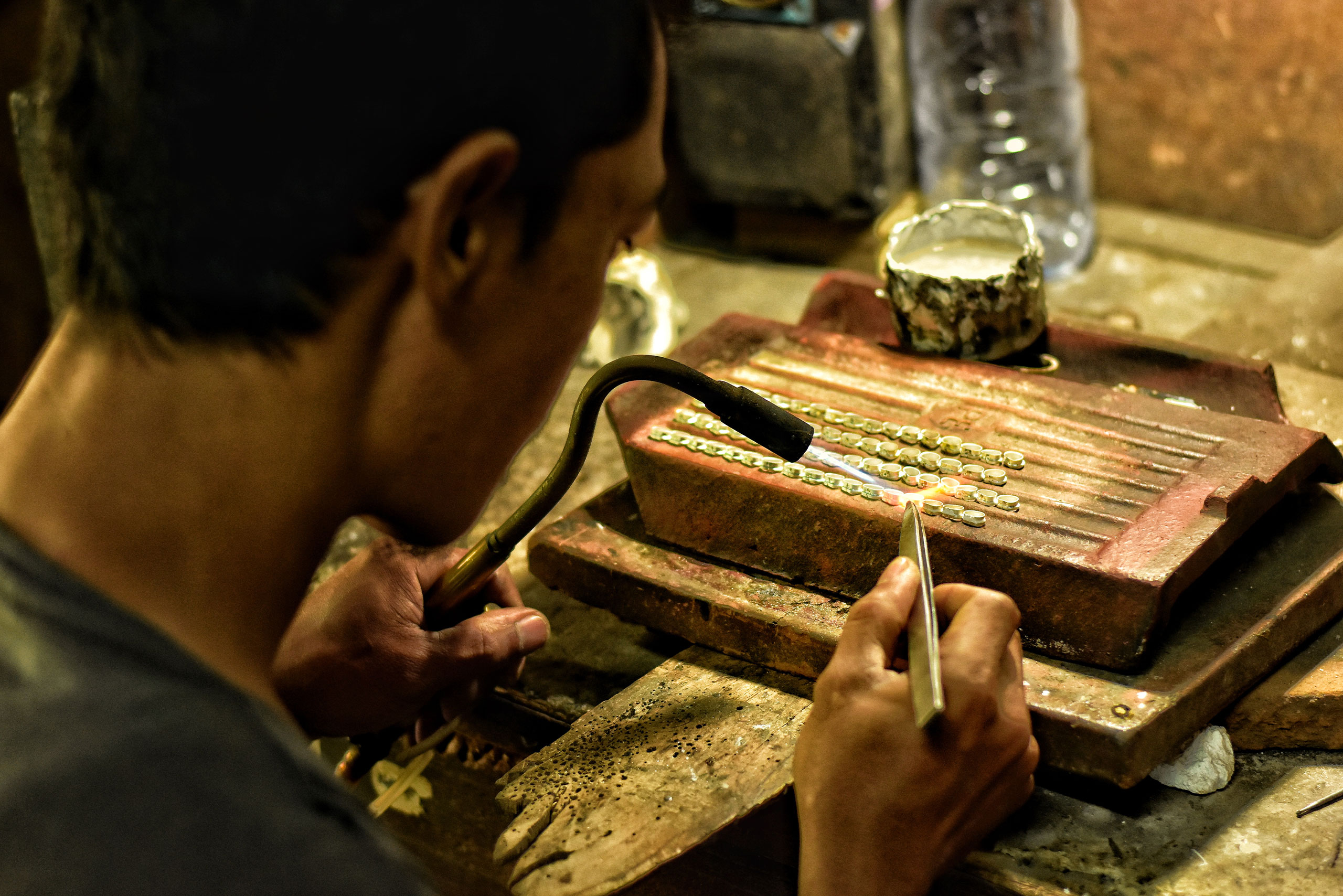
In Gianyar Regency, Celuk Village is synonymous with silver and gold craftsmanship. Known as the island’s “Silver Village”, its workshops and galleries showcase detailed jewellery made using time-honoured techniques. Many studios invite visitors to observe the jewellery-making process or join short classes, offering a hands-on cultural experience.
Pemuteran, Marine Conservation and a Tranquil Coastline
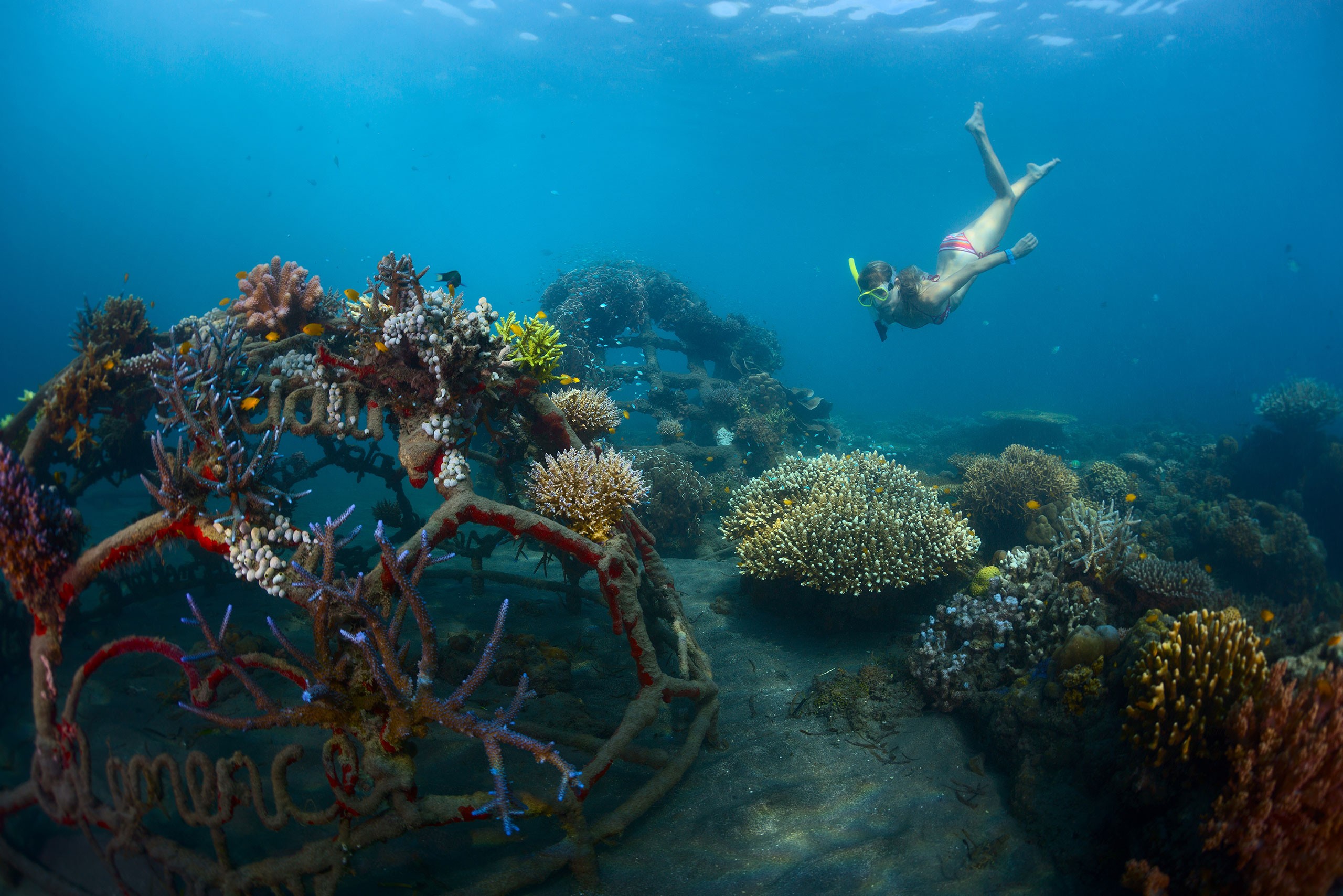
On Bali’s quieter north coast, Pemuteran is a laid-back fishing and diving village recognised for its marine conservation efforts. The community has gained international attention for coral restoration projects such as BioRock Indonesia, which helps rebuild damaged reef ecosystems. Snorkelling and diving trips, including excursions to nearby Menjangan Island, make Pemuteran a standout destination for nature-focused travellers.
Jatiluwih, UNESCO Rice Terraces and Subak Landscapes
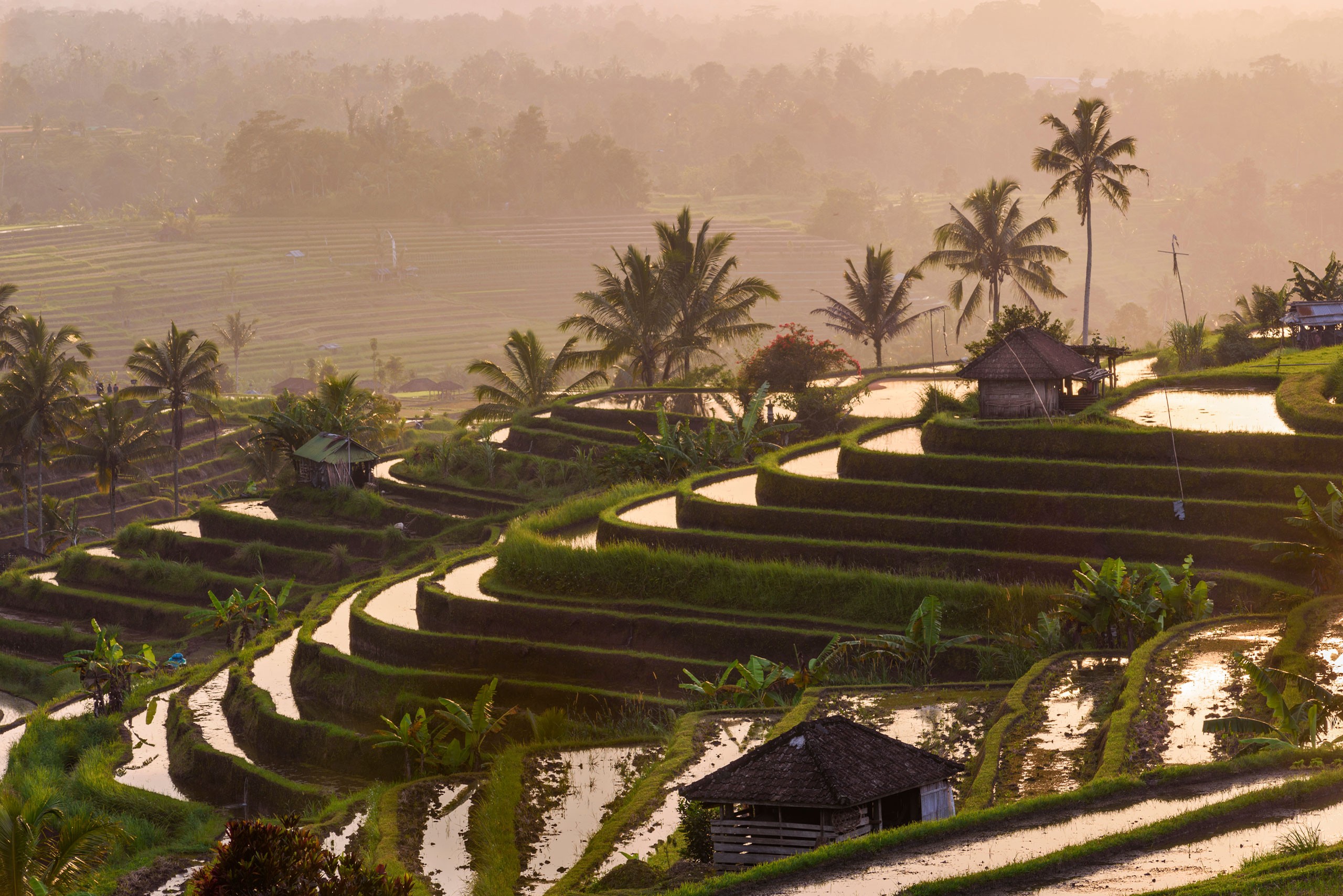
Set on the slopes of Mount Batukaru, Jatiluwih is home to sweeping rice terraces that form part of Bali’s UNESCO-listed Subak cultural landscape. Celebrated for its centuries-old water management system, the area offers walking and cycling paths through vivid green paddies, providing a peaceful counterpoint to Bali’s coastal energy.
Bali Starling Villages, Conservation with Purpose
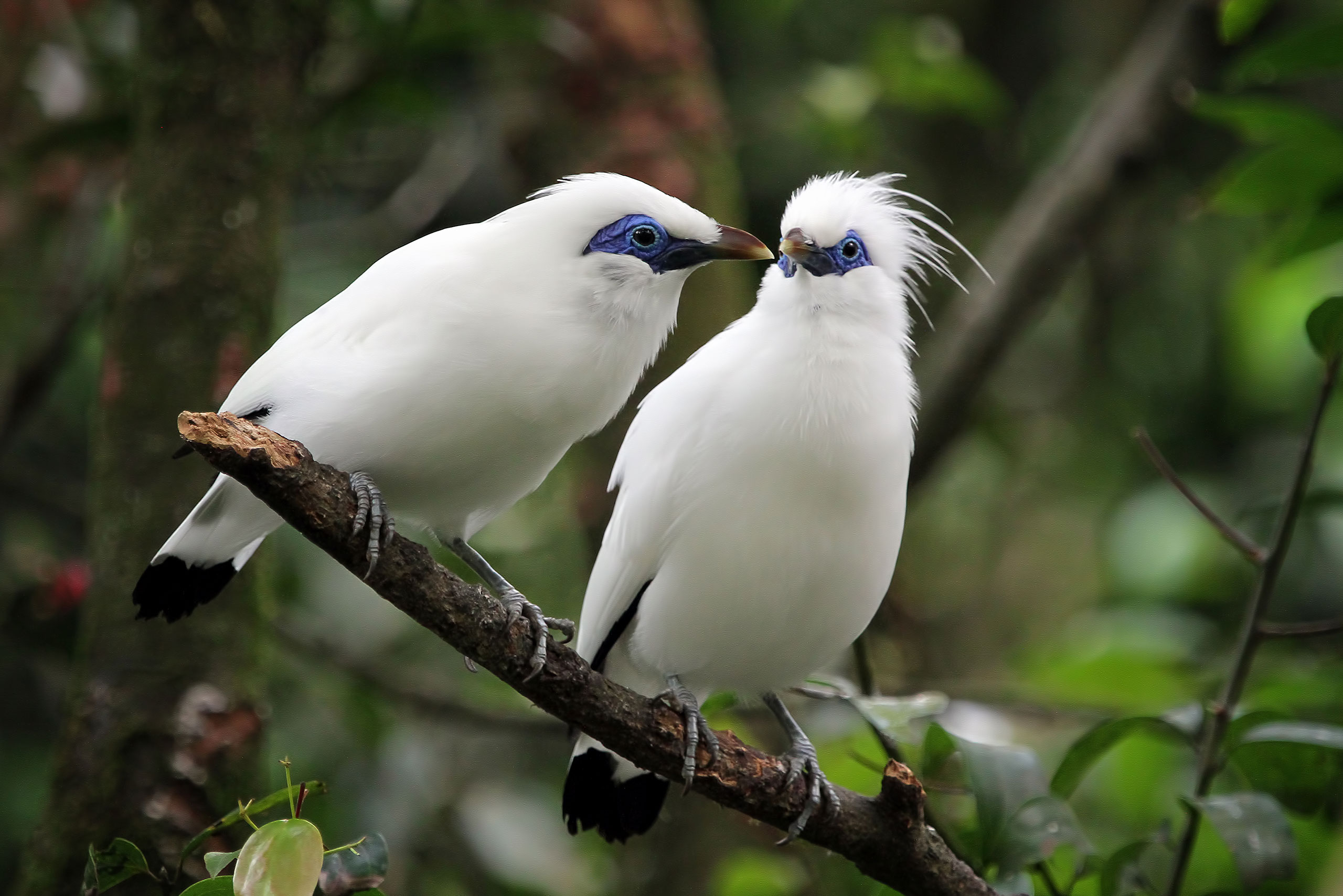
Across Bali and nearby Nusa Penida, villages such as Tengkudak, Bongan and Sibangkaja are leading community-driven efforts to protect the critically endangered Bali Starling, also known as the Jalak Bali. Through traditional village law, habitat restoration, breeding programs and low-impact ecotourism, these communities have turned conservation into a source of cultural pride and sustainable income.
Together, these villages make ideal day trips from Ubud or central Bali, as well as compelling stand-alone destinations for travellers seeking a richer understanding of the island’s heritage, creativity and natural beauty.
|
Lani te Hennepe
Share: