Nyepi in Bali: Inside the Island’s Extraordinary Day of Silence
Once a year, Bali does something the rest of the world finds almost impossible: it stops.
Lani te Hennepe
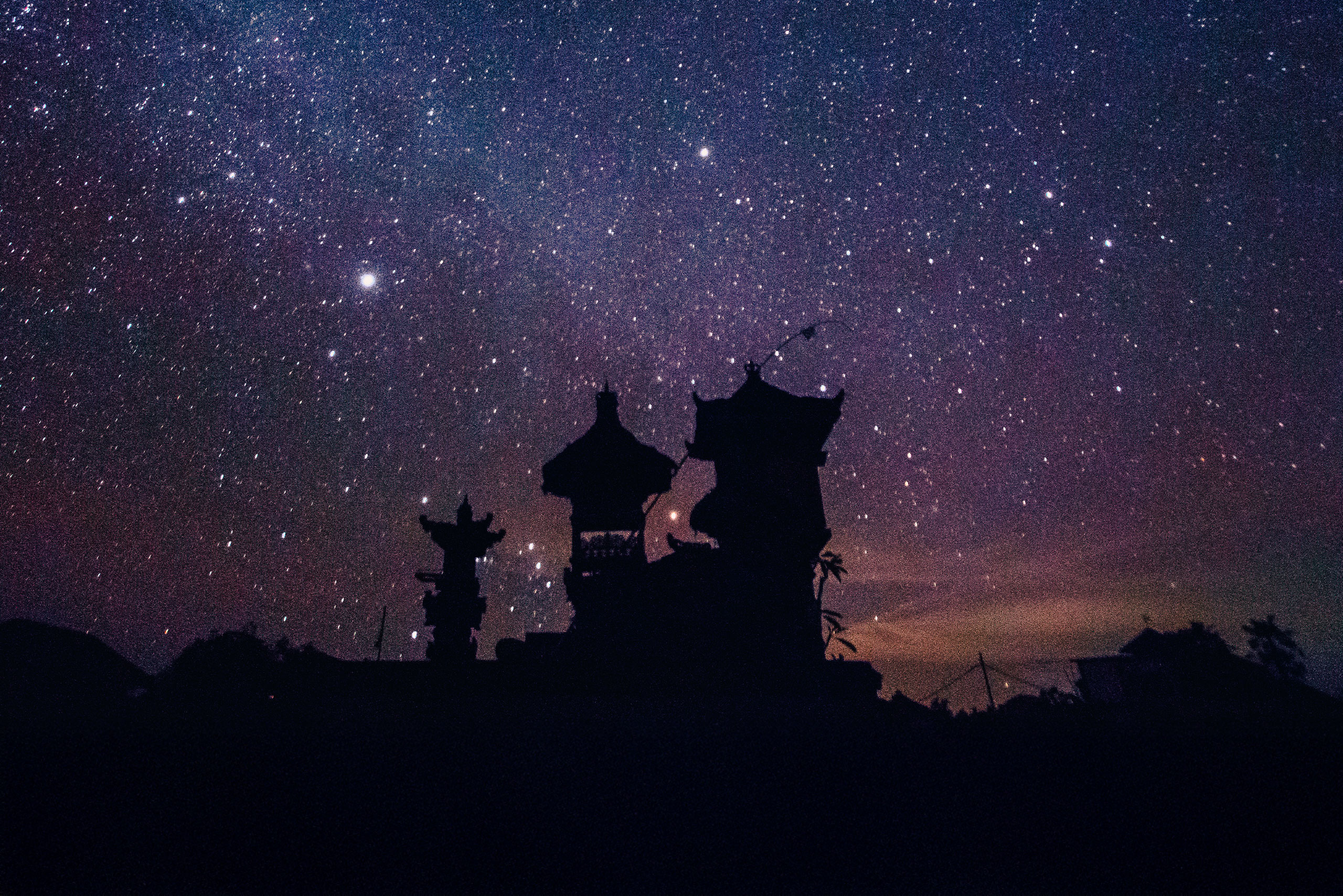
No traffic. No flights. No music. No work. Even the internet slows. On 20 March, Bali will observe Nyepi, the Balinese Hindu Day of Silence, a 24-hour period of complete stillness that marks the Balinese New Year according to the Saka calendar.
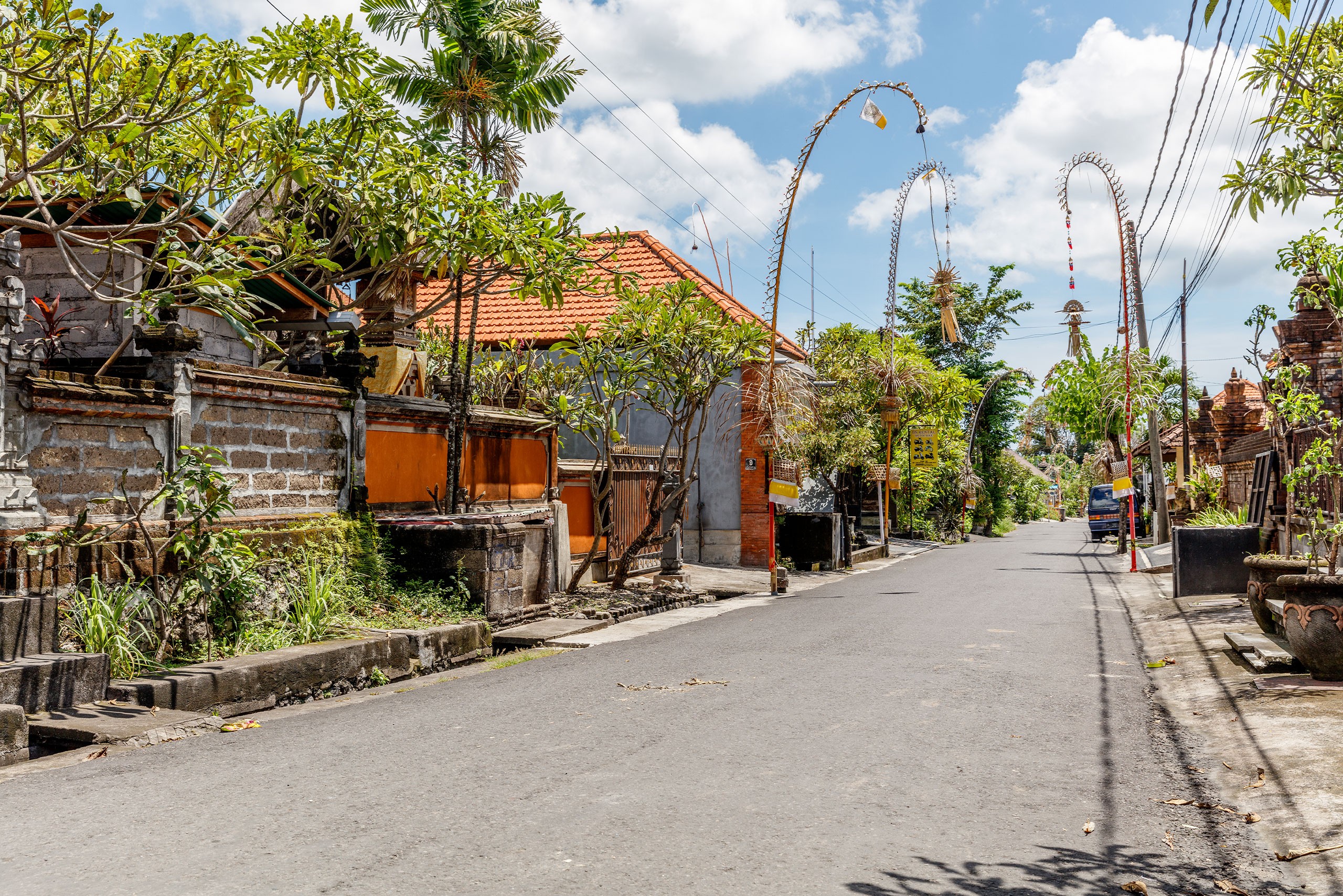
For visitors, Nyepi can be surprising, even confronting. But for those who understand it, the day offers a rare insight into Bali’s spiritual depth and a reminder of what collective pause can look like.
What Nyepi in Bali Really Means
Nyepi in Bali is rooted in the Balinese Hindu philosophy of balance, specifically the relationship between Bhuana Alit (the inner human world) and Bhuana Agung (the outer universe). The purpose of Nyepi in Bali is to cleanse both realms, allowing the new year to begin in harmony, purity and alignment.
Unlike most New Year celebrations, Nyepi in Bali is not marked by fireworks or festivities. Instead, it is a day of introspection, restraint and self-control. Silence is not an absence here; it is a tool for reflection.
The Four Sacred Rules of Nyepi in Bali
At the heart of it is Catur Brata Penyepian, the Four Sacred Abstinences observed across the island:
Amati Geni – no fire or electricity
Amati Karya – no work
Amati Lelungan – no travel
Amati Lelanguan – no entertainment or pleasure

For 24 hours, Bali effectively shuts down. Roads are empty, shops are closed, and even Ngurah Rai International Airport suspends all flights, making Nyepi in Bali one of the only days in the world when a major international airport completely closes.
Lights are dimmed, noise is minimised, and movement is limited. This island-wide commitment to stillness is enforced gently but firmly by Pecalang, traditional Balinese security officers who ensure the rules are respected.
The Rituals Before the Silence
Nyepi in Bali is not a standalone event; it’s the quiet centre of a series of powerful rituals.
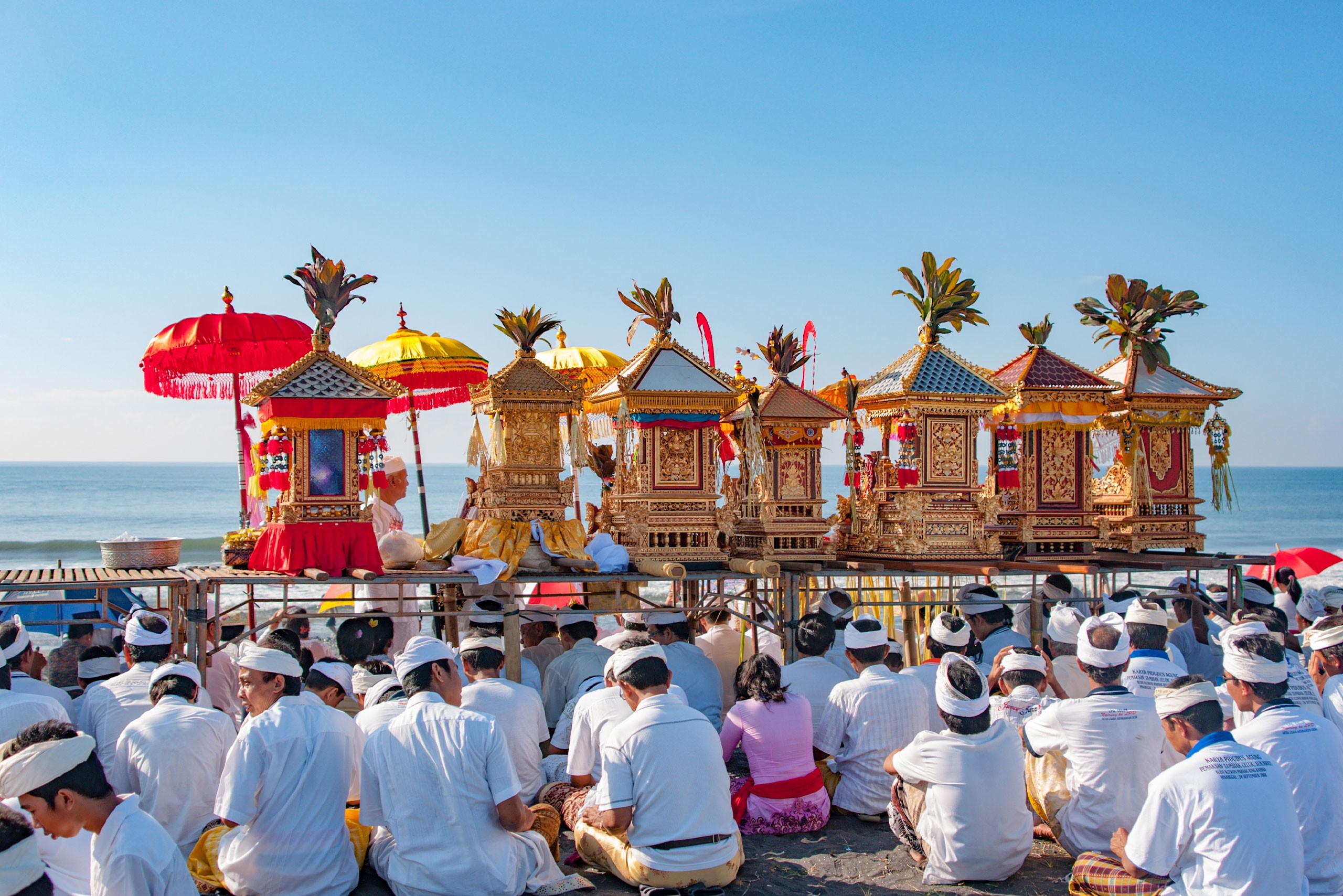
In the days leading up, Melasti ceremonies take place, where sacred temple objects are brought to the sea or lakes for purification. These processions are visually striking and deeply symbolic, representing the cleansing of both people and the environment.
The day before Nyepi in Bali is Tawur Kesanga, culminating in Pengerupukan, the island’s most dramatic moment before silence falls.
Ogoh-Ogoh: Chaos Before Calm
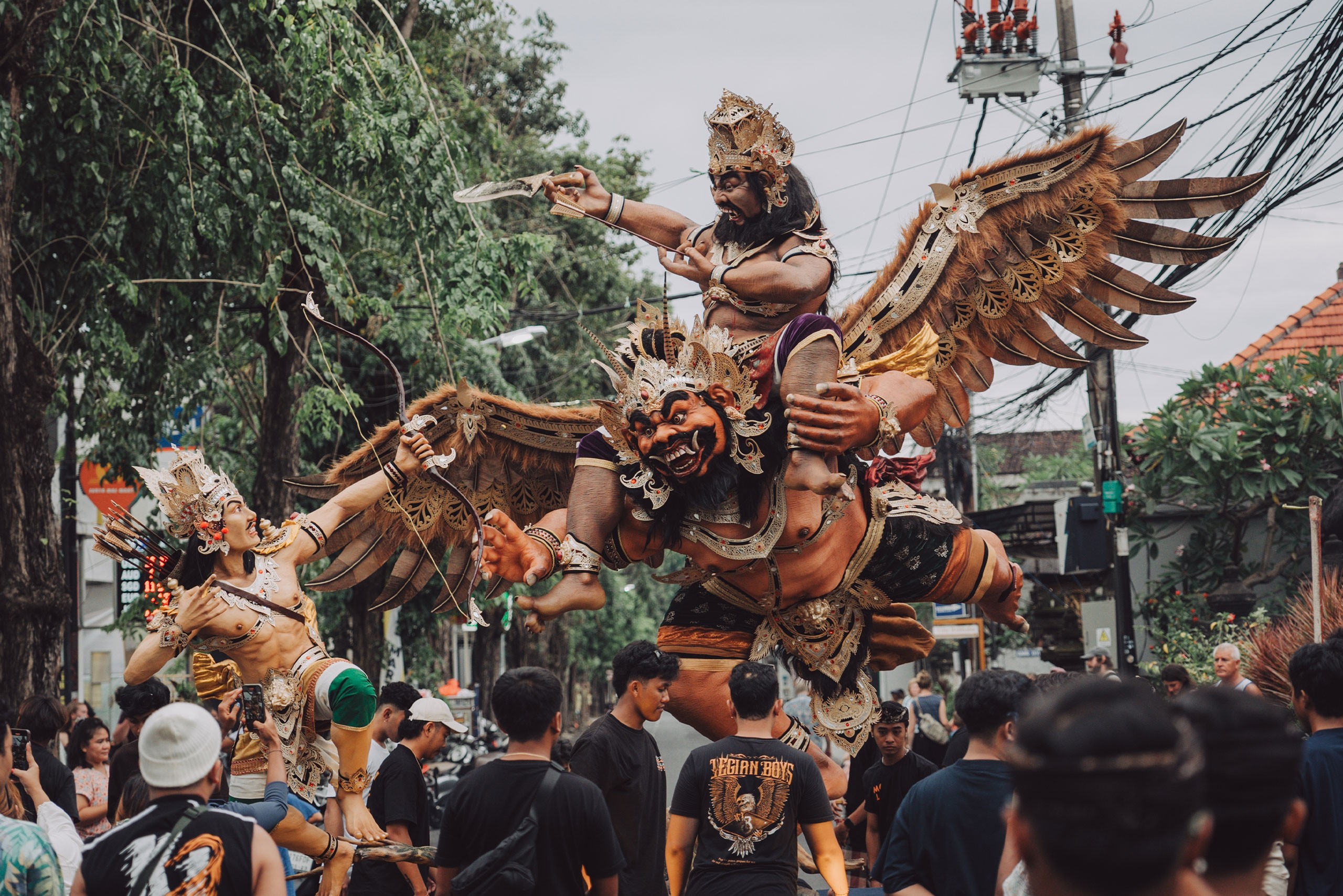
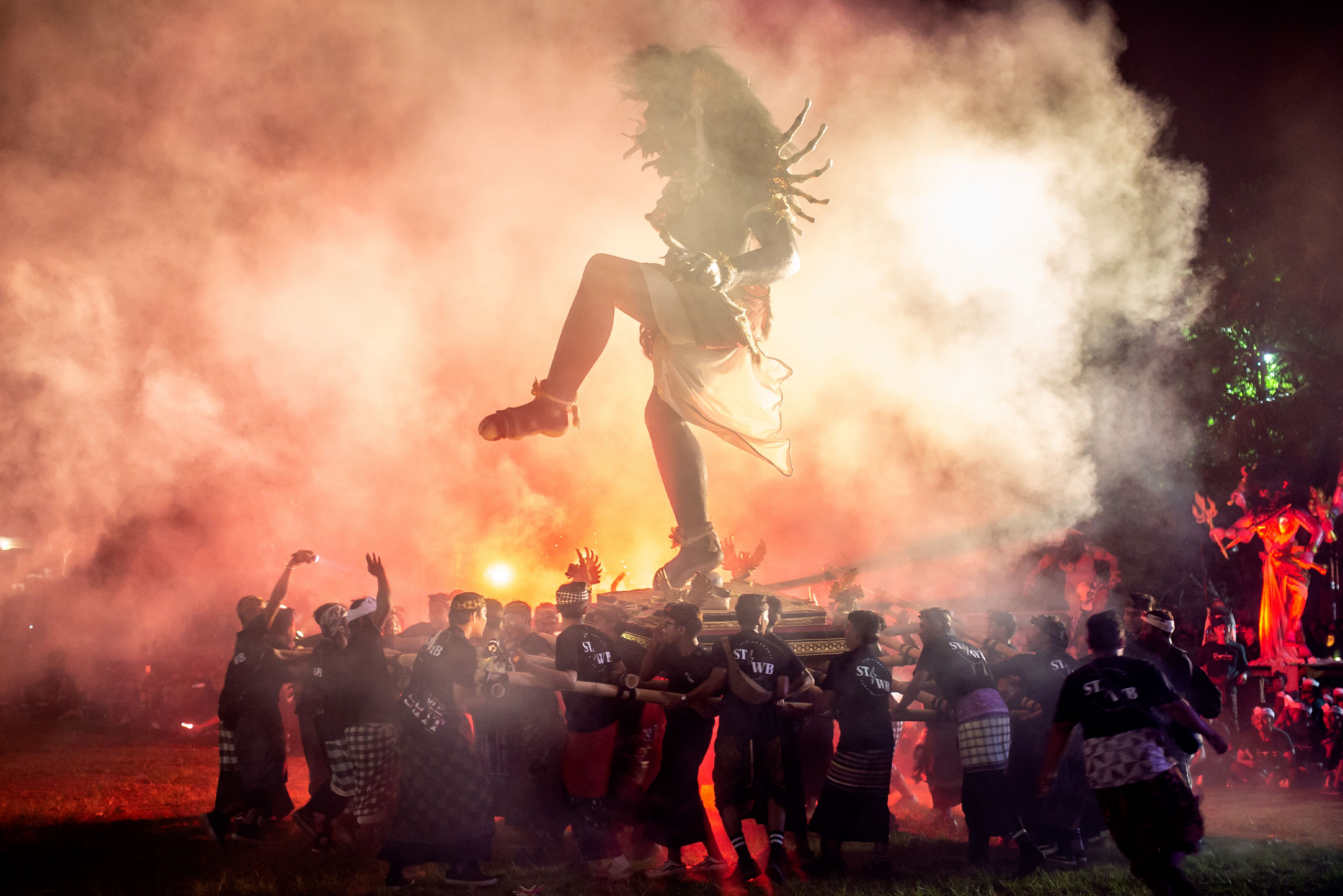
On the eve of Nyepi in Bali, villages come alive with Ogoh-ogoh parades. These towering, hand-crafted effigies represent Bhuta Kala, negative forces such as greed, anger and chaos.
Carried through the streets to the sound of gamelan, chanting and firecrackers, the Ogoh-ogoh are eventually burned, symbolising the removal of negative energy before the island enters silence.
It’s loud, energetic and unforgettable, the complete opposite of what follows.
What Nyepi in Bali Is Like for Visitors
Tourists are required to observe Nyepi in Bali alongside locals. Guests must remain within their hotels or villas, keep lights low, avoid noise and refrain from outdoor activity.
Many hotels adapt thoughtfully, offering quiet meals, limited services and opportunities for reflection. While it may feel restrictive at first, many visitors describe Nyepi in Bali as unexpectedly calming, a forced digital detox in a world that rarely switches off.
Nyepi in Bali is more than a religious observance. It’s a collective act of environmental awareness, social discipline and spiritual responsibility. For one day, Bali reduces energy use, air pollution and noise to near zero.
In a world defined by constant movement, Nyepi in Bali offers something rare: silence chosen together.
For travellers willing to embrace it, Bali’s Day of Silence is not something to endure; it’s something to experience, remember and quietly carry home.
|
Lani te Hennepe
Share: